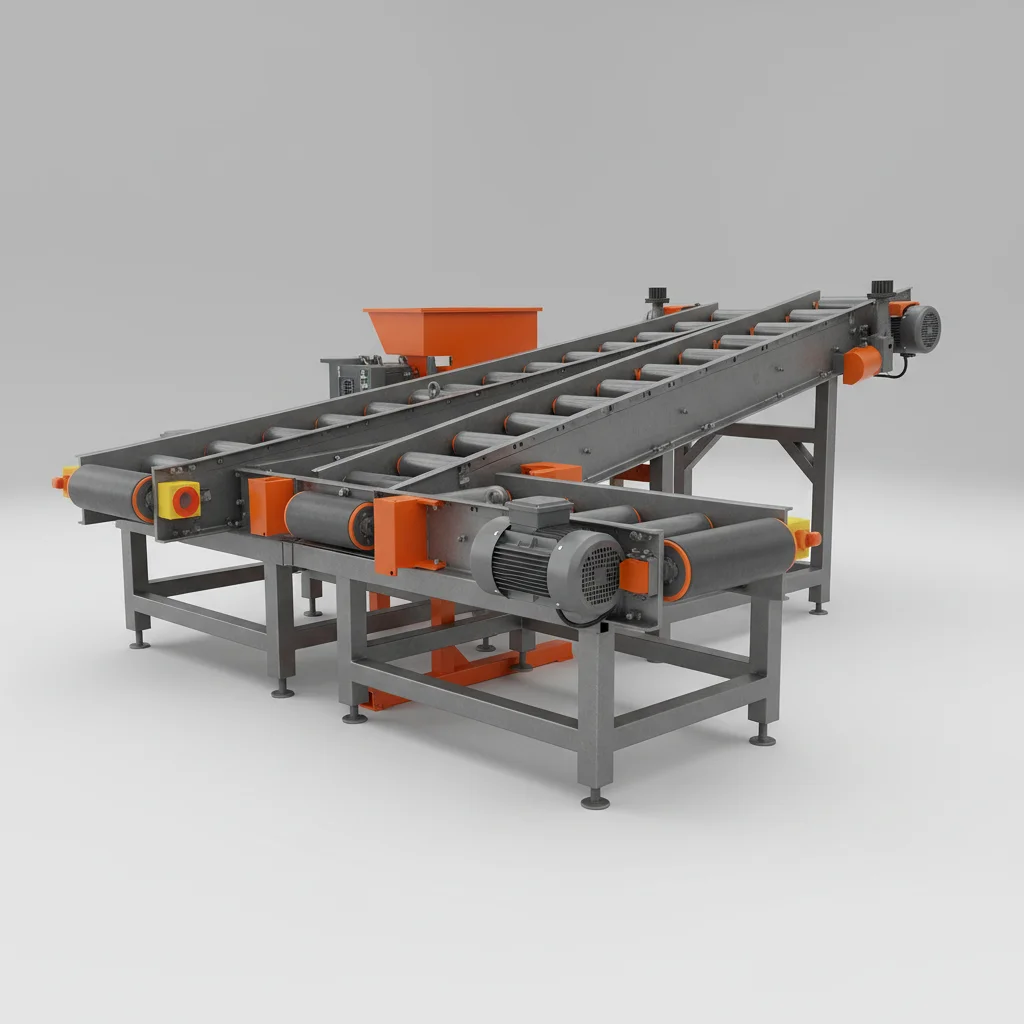
Understanding the Small Parts Conveyor: What It Is and Why It Matters
Small parts conveyors might not be the flashiest machinery in manufacturing or logistics, but they’re absolutely essential. Globally, these conveyors help move tiny components efficiently, which makes entire supply chains smoother and industries more productive. Understanding how small parts conveyors work—and why they're increasingly vital—opens the door to improved efficiency, reduced labor costs, and better safety in many sectors.
Introduction: The Global Importance of Small Parts Conveyor Systems
In today’s interconnected manufacturing world, the timely and reliable movement of small components can make or break production speed. According to the International Organization for Standardization (ISO), over 50% of industrial production relies on assembly lines that handle numerous small pieces with precision. This has created a strong demand for specialized conveyors designed to transport small parts without damage or loss.
Interestingly, failures in these systems can cause costly delays or quality issues, which is especially challenging in regions where manufacturing is booming but resources are tight—like Southeast Asia or Eastern Europe. Hence, this technology is tied not only to industry economics but also to global trade reliability.
What Is a Small Parts Conveyor?
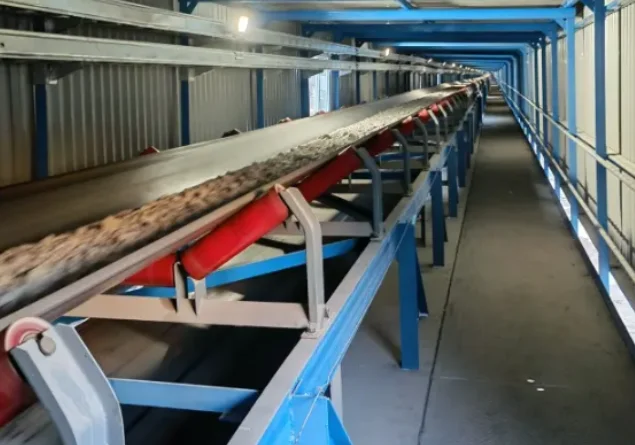
Simply put, a small parts conveyor is a system designed to transport tiny items—think screws, electronics components, or medical devices—safely and efficiently from one process stage to another. Unlike bulk conveyors, these are engineered to minimize part loss and damage, often featuring special belts, trays, or other attachments.
From car factories in Detroit to pharmaceutical plants in Switzerland, these conveyors form the backbone of many production lines. They’re also increasingly used in humanitarian aid logistics, such as packaging relief kits that require nimble handling of thousands of small items.
Core Components and Key Factors of Small Parts Conveyors
1. Durability
Conveyors dealing with small parts need to withstand constant use, varying loads, and even environmental factors like dust or moisture. Materials like stainless steel or reinforced plastics are common. Durability here isn’t just about longevity—it’s about maintaining consistent movement without jamming or breakdowns.
2. Scalability
Whether a line needs to handle hundreds or thousands of parts per hour, conveyors must adjust efficiently. Modular designs allow sections to be added or removed without major downtime—a real boon when demand fluctuates seasonally or due to new product launches.
3. Cost Efficiency
Investing in a conveyor system can be a hefty upfront cost, but well-designed small parts conveyors drive down labor expenses and reduce errors, quickly recouping their price. Plus, energy-saving motors and low-maintenance materials trim ongoing operating costs.
4. Precision and Reliability
Small parts require precise placement for assembly or packaging, so conveyors often feature sensors or control systems to maintain steady flow and prevent jams—a nightmare moment on any busy production floor.
5. Flexibility
Since product lines evolve, conveyors must adapt to different part sizes or shapes. Belt swaps, adjustable trays, and programmable speed controls help meet diverse needs without replacing entire systems.
Small Parts Conveyor Specifications
| Specification |
Typical Value/Feature |
| Conveyor Length |
1 - 30 meters (modular) |
| Belt Width |
50 - 300 mm |
| Max Load Capacity |
Up to 15 kg/m |
| Speed Range |
0.1 - 2 m/s |
| Material |
Stainless steel frame, PVC or PU belt |
| Control Features |
Variable speed drive, sensors, modular design |
Global Applications & Use Cases
- Automotive: Precision conveyor systems move tiny sensors and bolts critical to vehicle assembly lines.
- Pharmaceuticals: Small parts conveyors help package vials, pills, and syringes hygienically and precisely.
- Consumer Electronics: Conveyor belts transport fragile circuit boards and connectors with care in Asia's manufacturing hubs.
- Humanitarian Aid: In post-disaster relief operations, conveyors sort and pack small essentials like batteries or medical supplies.
- Food Processing: Conveyors transport small packaged goods or ingredients with sanitary materials.
In fact, places like Germany’s industrial regions and China’s manufacturing zones lead in using advanced small parts conveyors, but even emerging economies increasingly adopt this tech to boost efficiency.
Vendor Comparison Table: Selecting the Right Small Parts Conveyor Provider
| Vendor |
Price Range |
Customization |
Lead Time |
Global Support |
| JT Conveyor |
$$$ |
High |
2-4 weeks |
Yes |
| ConveyTech |
$$ |
Medium |
3-6 weeks |
Limited |
| MiniMovers |
$ |
Low |
1-2 weeks |
No |
Advantages & Long-Term Value of Small Parts Conveyor Systems
It’s tempting to think conveyors are just functional tools, but their impact runs deeper. They improve worker safety by reducing manual handling of sharp or delicate parts. Trust me, anyone who’s seen a jammed conveyor belt knows how frustrating delays can be—reliable conveyors cut that risk. Plus, by speeding up production while cutting errors, companies gain a competitive edge that keeps jobs stable and innovation flowing.
Future Trends and Innovations
Looking forward, automation blends with conveyor tech in smart factories. AI sensors detect jams before they happen, while IoT integration tracks parts in real time, allowing just-in-time inventory without warehouse overruns. On the sustainability front, companies explore recycled materials for belts and low-energy motors, aligning with global carbon-reduction goals.
Challenges and Solutions
Of course, no system is perfect. Small parts conveyors can struggle with extremely tiny or oddly shaped items, requiring tailored attachments or more robotic integration. Maintenance remains a concern—unexpected downtime still happens. However, modular designs and predictive maintenance software ease these issues steadily.
FAQ: Small Parts Conveyor Essentials
- Q: What industries benefit most from small parts conveyors?
- A: Automotive, electronics, pharmaceuticals, and food industries are the primary users, thanks to their need for precise, efficient handling of tiny components.
- Q: How often do small parts conveyors require maintenance?
- A: Regular visual inspections weekly are recommended, with full servicing every 6-12 months depending on usage to avoid unplanned downtime.
- Q: Can small parts conveyors handle fragile items?
- A: Yes, by using soft belts, precise speed controls, and sensors to avoid collisions or drops, conveyors can safely transport delicate parts like glass or electronics.
- Q: How modular are these systems for changes in production?
- A: Most modern small parts conveyors are highly modular — sections can be added or reconfigured quickly, reducing downtime during product changes.
Conclusion
So, small parts conveyors might seem like just another piece of factory equipment, but they’re really the silent workhorses behind efficient, safe, and scalable production worldwide. For anyone in manufacturing or logistics, understanding and investing in reliable conveyor technology can pay off in smoother operations and long-term savings.
Visit our website to explore high-quality conveyors tailored for small parts handling.
Mini takeaway: Investing in a durable, flexible small parts conveyor system today sets the stage for efficiency and adaptability in tomorrow’s industrial landscape.
References:
- International Organization for Standardization (ISO)
- Wikipedia: Conveyor
- World Bank Data on Manufacturing