Conveyor Belt

Conveyor Belt

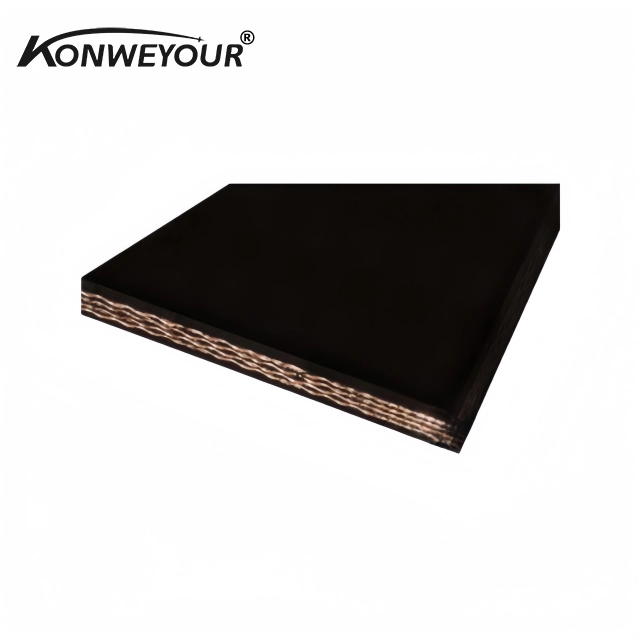
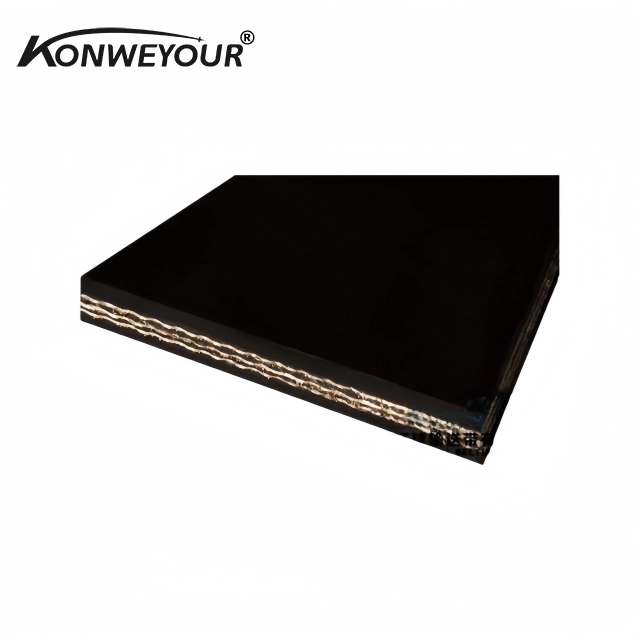
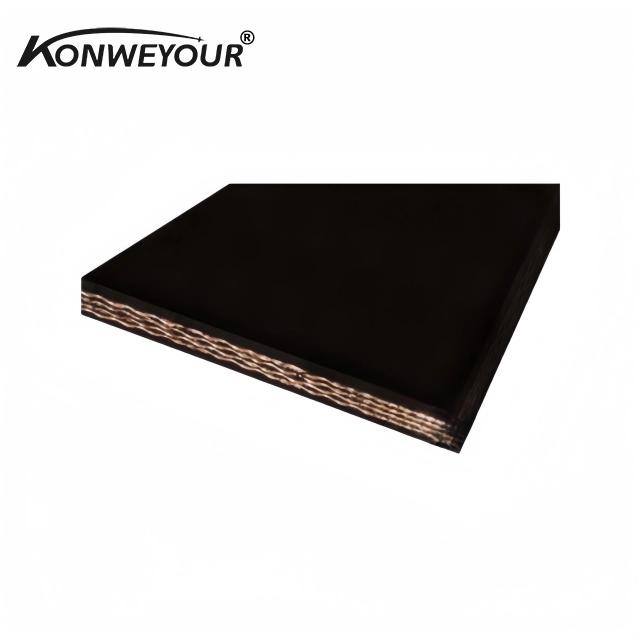
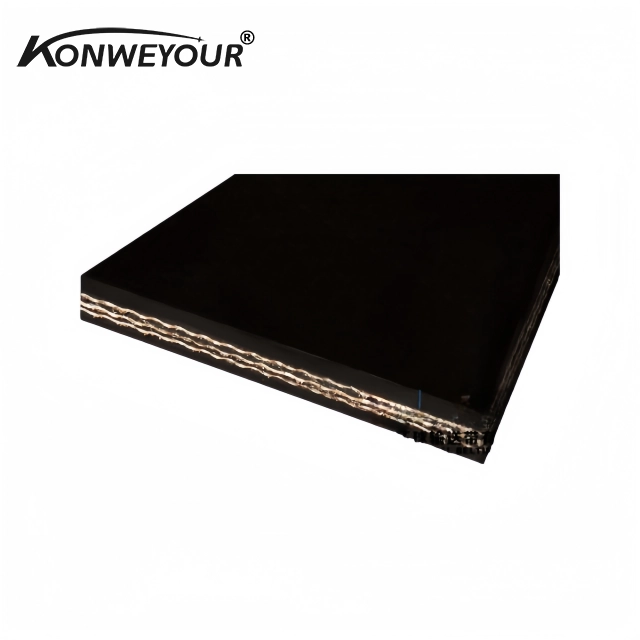
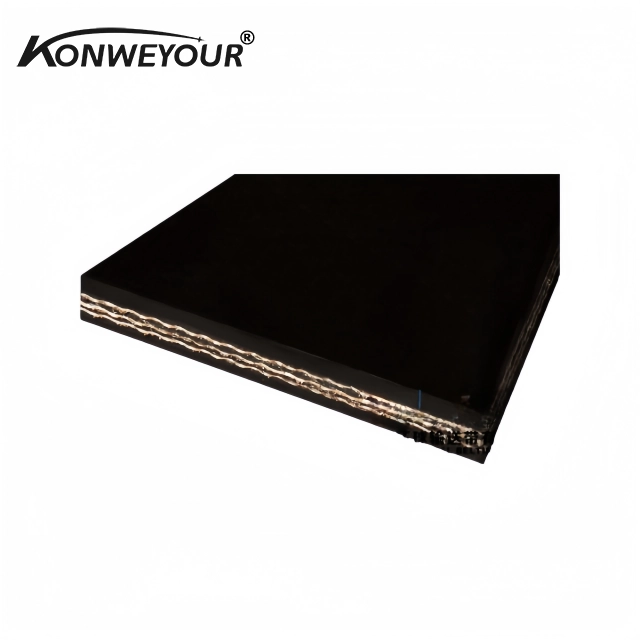
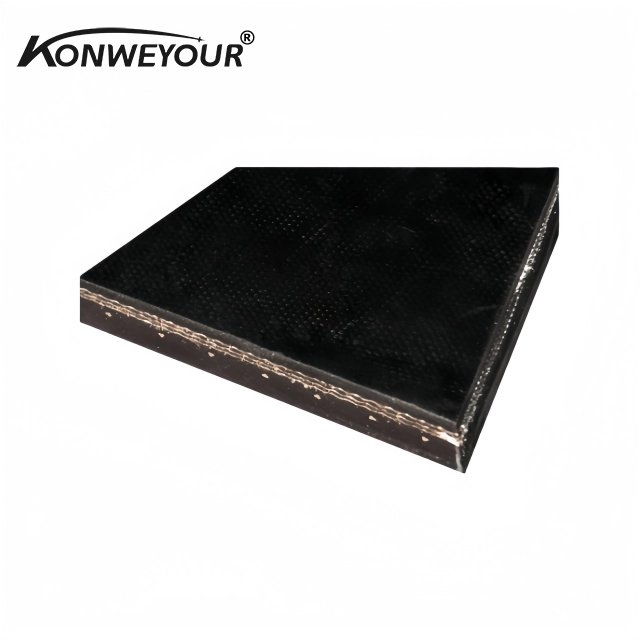
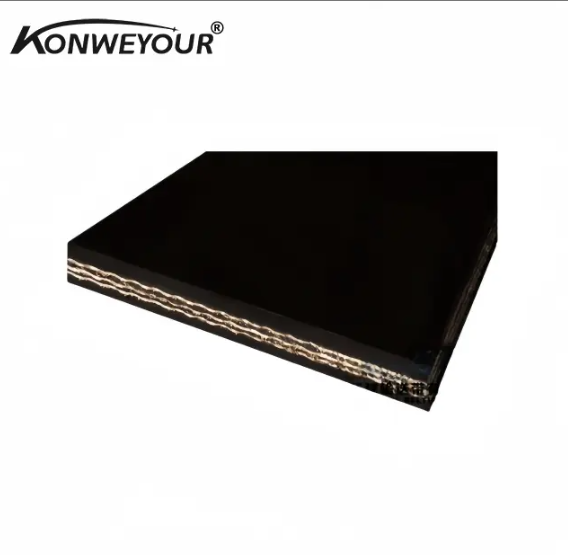
A rubber conveyor belt is a durable and flexible material handling solution widely used across various industries, including mining, construction, agriculture, and manufacturing. Designed to transport bulk materials or heavy loads, it provides excellent strength, impact resistance, and long service life.

Made from high-quality natural or synthetic rubber compounds, these belts are reinforced with layers of fabric or steel cords to enhance tensile strength and stability. Rubber conveyor belts offer superior performance in harsh environments, resisting abrasion, moisture, heat, oil, and chemicals depending on the specific grade.Available in different types—such as flat, chevron, or cleated—rubber conveyor belts are adaptable for both horizontal and inclined conveying. They are suitable for transporting materials like coal, sand, grain, gravel, ore, and more.

The anti-slip surface and flexibility of rubber make it ideal for smooth and continuous operation, reducing product loss and operational downtime. Additionally, maintenance is minimal, ensuring cost-effective performance over time.Whether in heavy-duty mining operations or light industrial use, a rubber conveyor belt delivers reliable material handling efficiency. Custom widths, thicknesses, and cover compounds are available to meet specific project or environmental requirements.


Conveyor Belt Scraper Design

A conveyor belt scraper is an essential cleaning device that removes residual material—known as carryback—from the belt surface, ensuring efficient operation and reduced maintenance for conveyor systems. Its design plays a vital role in extending belt life, preventing spillage, and maintaining productivity across industries such as mining, cement, recycling, and food processing.

The core of the scraper is the blade assembly, engineered to maintain consistent contact with the belt. Blades are typically made from polyurethane, rubber, or tungsten carbide, chosen for their durability and resistance to abrasion. Tungsten carbide tips provide exceptional cleaning power for heavy-duty applications, while food-grade polyurethane is ideal for hygienic environments where sanitation is critical.

A well-designed scraper includes an adjustable tensioning system that keeps the blade pressed firmly against the belt without causing excessive wear. Options include spring tensioners, pneumatic systems, or automatic self-adjusting mechanisms, which maintain optimal pressure as the belt surface or scraper blade wears down over time.

The mounting structure is usually built from stainless steel or powder-coated steel to resist corrosion and withstand harsh conditions. Designs often allow quick blade replacement and easy access for cleaning, minimizing downtime. Scrapers are strategically positioned—most commonly as primary cleaners at the head pulley to remove bulk material, and as secondary cleaners farther along the belt to capture fine residues.

Advanced designs may integrate modular blades, shock-absorbing mounts, or self-cleaning features to handle high-speed belts and sticky materials. Proper scraper design not only improves material flow but also reduces energy consumption and protects other conveyor components from unnecessary wear.

By selecting a conveyor belt scraper with the right blade material, tensioning system, and mounting design, operators can achieve cleaner belts, lower maintenance costs, and greater overall conveyor efficiency.


Conveyor Belt Scraper Types

Conveyor Belt Scraper Types

Conveyor belt scrapers are critical components that remove residual material, or carryback, from the belt surface, keeping conveyor systems clean, efficient, and safe. Different scraper types are designed to match specific materials, belt speeds, and operating conditions, ensuring reliable cleaning and extended equipment life across industries such as mining, quarrying, recycling, and food processing.

The most common category is the primary scraper, mounted at the head pulley where the belt discharges material. Primary scrapers feature polyurethane or rubber blades for flexible contact, or tungsten carbide tips for heavy-duty applications. They remove the bulk of material and prevent large deposits from adhering to the belt.

Secondary scrapers are installed further along the belt to capture fine residues that primary cleaners may miss. These scrapers often use stainless steel or tungsten carbide blades for precise cleaning, making them ideal for sticky or wet materials such as clay, coal, or fertilizer.

For the return side of the belt, V-plow scrapers or diagonal plows protect the tail pulley by sweeping off rocks, dust, and other debris. These are especially valuable in harsh environments where carryback could damage pulleys or cause misalignment.

Specialized options include rotary brush cleaners, which use motorized bristles to remove light, powdery materials, and wash-box cleaners, which combine water sprays with scrapers to tackle extremely stubborn or adhesive substances. Food-grade scrapers made from FDA-approved materials ensure hygienic cleaning in food or pharmaceutical processing lines.

Choosing the right combination of scrapers depends on belt width, speed, material type, and environmental factors. Proper installation and regular maintenance further enhance cleaning efficiency, minimize downtime, and protect belts from premature wear. By selecting appropriate conveyor belt scraper types, operators can achieve cleaner systems, lower maintenance costs, and improved overall productivity.


Conveyor Belt Scraper Types

SUBSCRIBE NEWSLETTER

Efficient Conveying Equipment, Get Customized Solutions Immediately

If you are interested in our products, you can choose to leave your information here, and we will be in touch with you shortly.

  • captcha