Understanding Conveyor Roller Shafts: A Comprehensive Guide
Conveyor roller shafts are critical components in material handling systems, serving as the backbone for smooth and efficient operation. Choosing the right shaft is essential for maximizing productivity, minimizing downtime, and ensuring long-term reliability. This article provides an in-depth look at conveyor roller shafts, covering types, materials, applications, and key considerations for selection. Understanding these elements is paramount for businesses across industries relying on conveyor systems. We will detail how to choose the appropriate shaft based on load capacity, environment, and specific application needs.
Types of Conveyor Roller Shafts
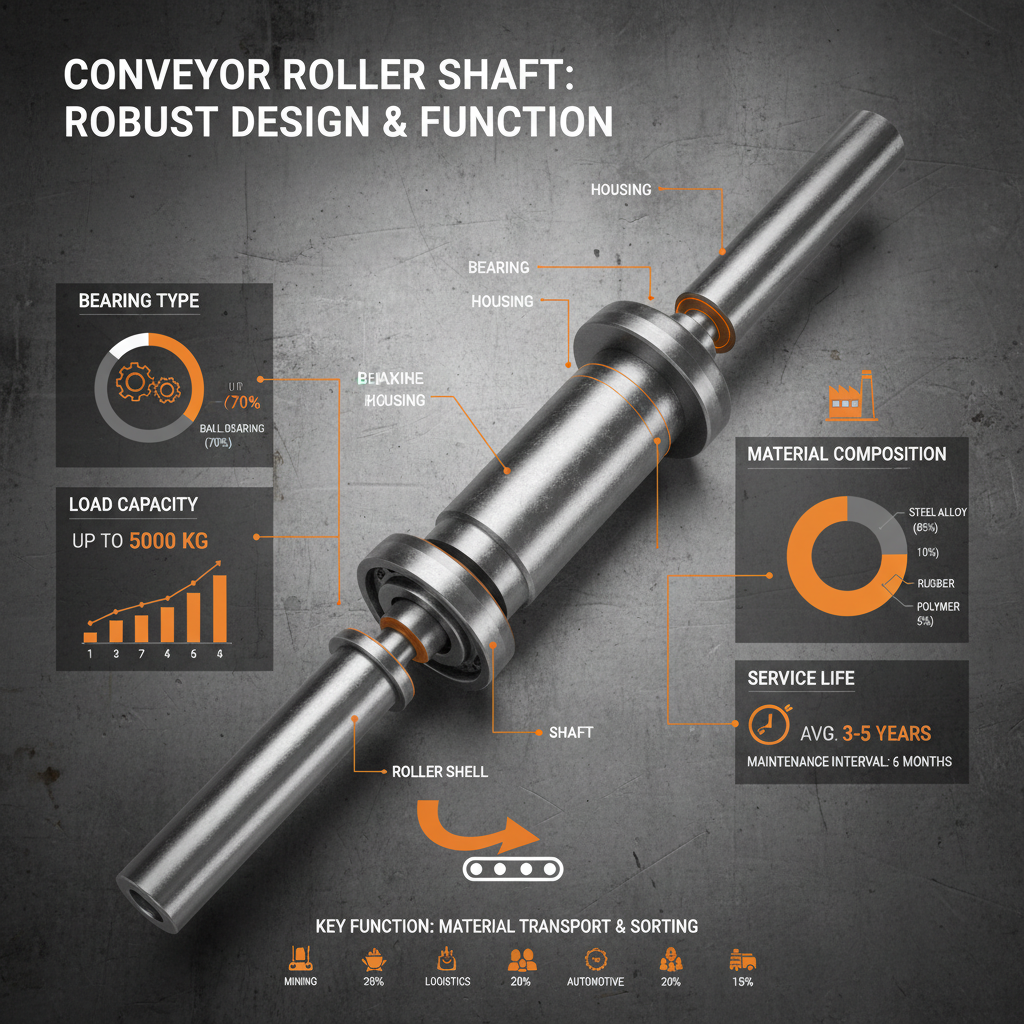
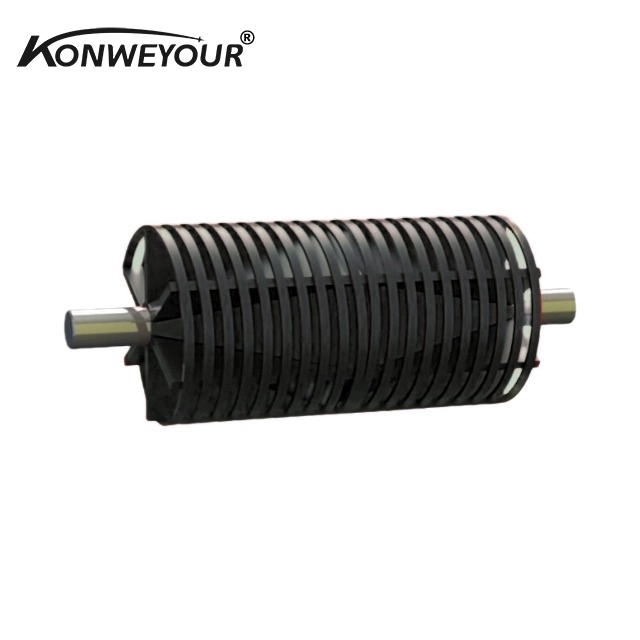
Conveyor roller shafts come in various designs to suit different conveyor systems and load requirements. The most common types include solid shafts, hollow shafts, and stepped shafts. JT Conveyor specializes in providing a wide range of these options. Solid shafts are robust and ideal for heavy-duty applications, while hollow shafts offer a lighter weight and can be advantageous in certain designs. Stepped shafts are used where different diameters are needed along the length of the shaft. Understanding the specific needs of your conveyor system will guide your choice towards the most appropriate type. The choice hinges on factors like load, speed, and the specific conveyor application.
Key Considerations: Solid shafts offer high strength, hollow shafts reduce weight, and stepped shafts accommodate varying load requirements.
Materials Used in Conveyor Roller Shafts
The material of a conveyor roller shaft significantly impacts its performance and lifespan. Common materials include carbon steel, stainless steel, and alloy steel. Carbon steel is a cost-effective option for general-purpose applications. Stainless steel provides excellent corrosion resistance, making it ideal for environments exposed to moisture or chemicals. Alloy steel offers enhanced strength and durability, suitable for heavy-duty and demanding applications. JT Conveyor offers shafts made from all these materials, tailored to specific customer requirements. The optimal material choice balances cost, strength, and environmental resistance.
Material Selection Guide:
• Carbon Steel: Cost-effective, general purpose.
• Stainless Steel: Corrosion resistant, ideal for wet/chemical environments.
• Alloy Steel: High strength and durability, for heavy-duty applications.
Factors Influencing Conveyor Roller Shaft Selection
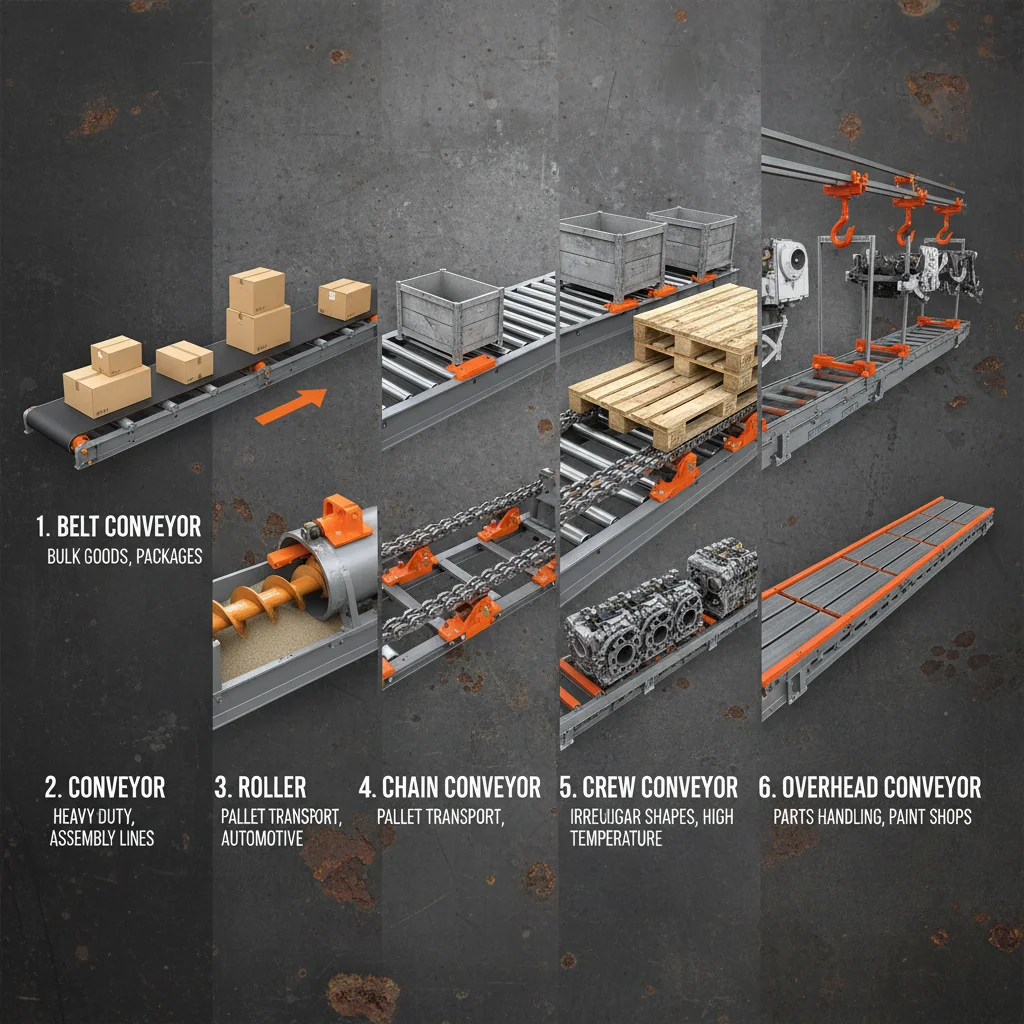
Selecting the correct conveyor roller shaft involves careful consideration of several factors. Load capacity, operating speed, environmental conditions, and the type of conveyor system all play a crucial role. Higher loads require shafts with greater strength and diameter. Faster speeds necessitate shafts with precise balance and minimal deflection. Corrosive environments demand corrosion-resistant materials like stainless steel. The design of the conveyor system itself (e.g., belt, roller, modular) will also dictate specific shaft requirements.
| Factor |
Considerations |
| Load Capacity |
Higher load = larger diameter, stronger material |
| Operating Speed |
Faster speed = precise balance, minimal deflection |
| Environment |
Corrosive = stainless steel or coated shaft |
| Conveyor Type |
Belt, roller, modular – each has unique requirements |
Key Benefits of Choosing High-Quality Roller Shafts
Investing in high-quality conveyor roller shafts delivers numerous benefits. These include reduced downtime, improved operational efficiency, extended service life, and enhanced safety. Durable shafts minimize the risk of failures, reducing costly repairs and production interruptions. Precise manufacturing ensures smooth operation and minimizes energy consumption. Furthermore, reliable shafts contribute to a safer working environment by preventing unexpected breakdowns. JT Conveyor prioritizes quality and precision in all our shaft products.
Conveyor Roller Shaft Standards and Specifications
Conveyor roller shafts typically adhere to industry standards like ISO and DIN, ensuring interoperability and quality control. Key specifications include shaft diameter, length, material grade, surface finish, and tolerance levels. JT Conveyor provides shafts that meet or exceed these standards, guaranteeing performance and reliability. Understanding these specifications is crucial for seamless integration into existing conveyor systems and for ordering the correct replacement parts. Always verify specifications with the manufacturer to ensure compatibility.
Conclusion: Optimizing Your Conveyor System with the Right Shafts
Selecting the right conveyor roller shaft is a critical step in ensuring efficient, reliable, and safe material handling. By carefully considering load capacity, operating environment, and material properties, you can optimize your conveyor system for maximum performance. JT Conveyor is dedicated to providing high-quality shafts and expert guidance to help you make the best choice for your specific application.
Frequently Asked Questions (FAQs)
What is the typical lifespan of a conveyor roller shaft?
The lifespan of a conveyor roller shaft varies depending on factors like load, speed, lubrication, and environmental conditions. Generally, well-maintained shafts can last 5-10 years or longer. Regular inspection for wear, cracks, or deformation is crucial. Proper lubrication significantly extends the lifespan, reducing friction and preventing corrosion. Replacing a shaft proactively during scheduled maintenance can prevent unexpected downtime and costly repairs. JT Conveyor can advise on preventative maintenance schedules tailored to your specific application.
How important is shaft balancing?
Shaft balancing is extremely important, particularly for high-speed conveyors. An imbalanced shaft can cause vibrations, leading to premature bearing failure, reduced conveyor efficiency, and even structural damage. Dynamic balancing ensures the weight is evenly distributed along the shaft, minimizing vibrations and extending the life of the components. JT Conveyor offers precision balancing services for all our shafts.
What type of lubrication is recommended for conveyor roller shafts?
The recommended lubrication depends on the shaft material, operating speed, and environmental conditions. Generally, lithium-based greases are commonly used for their versatility and resistance to water and contaminants. For high-speed applications, synthetic lubricants may be preferred. Regular relubrication is essential to maintain a protective film and prevent wear. JT Conveyor can provide guidance on appropriate lubricants for your specific setup.
Can conveyor roller shafts be custom-made?
Yes, JT Conveyor specializes in custom-made conveyor roller shafts. We can manufacture shafts to your exact specifications, including length, diameter, material, and any necessary features. Custom shafts are ideal for unique applications or when replacing obsolete parts. Contact our engineering team to discuss your requirements and receive a quote.