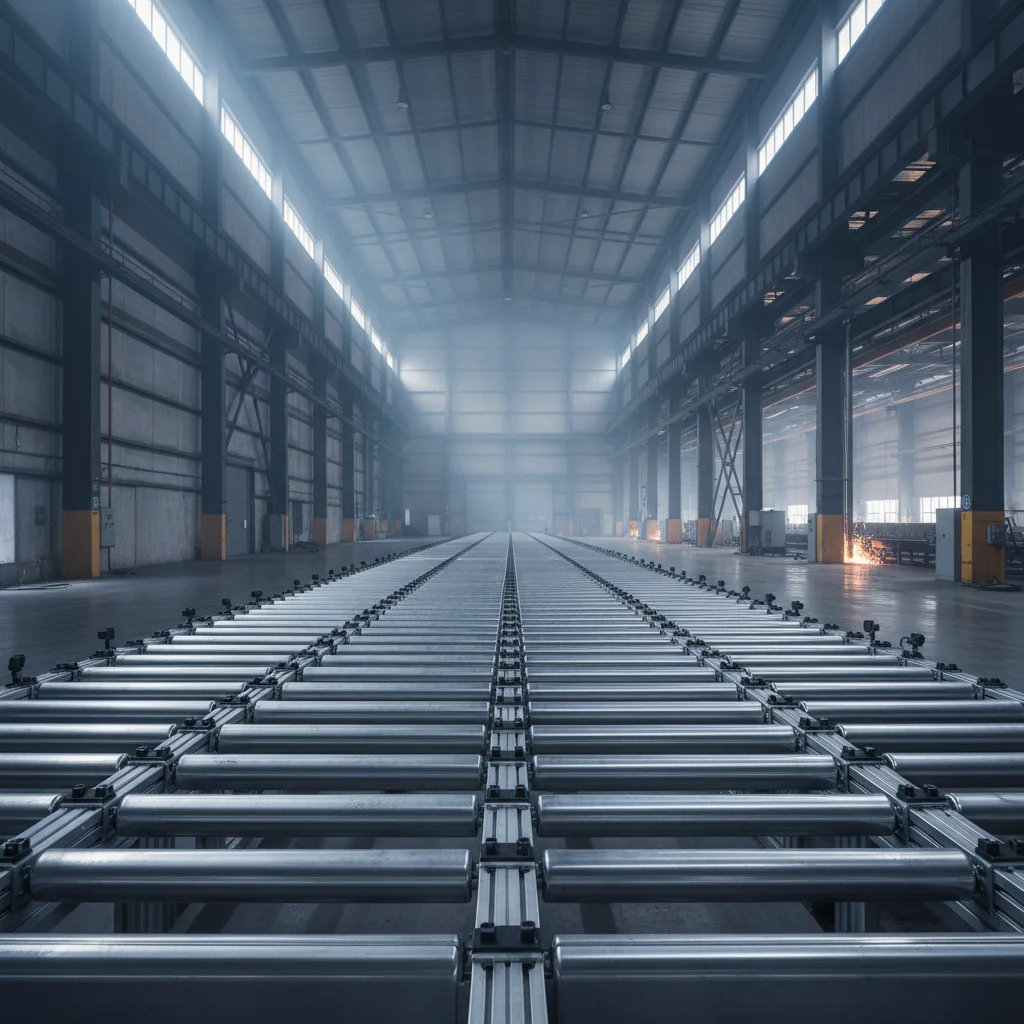
Understanding the Belt Over Roller Conveyor: A Global Perspective
Quick question: have you ever wondered how those packages effortlessly glide through warehouses, or how an airport manages such smooth baggage movement? Often, the unsung hero behind this logistical ballet is a belt over roller conveyor. This conveyor design combines the best of two worlds — belts and rollers — creating an efficient, adaptable system used worldwide in countless industries.
Why does this matter globally? Consider this: according to the United Nations Industrial Development Organization (UNIDO), global manufacturing and material handling industries have been surging steadily, contributing close to 16% of global GDP (1). Effective material handling solutions like belt over roller conveyors are critical to sustaining this momentum, reducing costs, and improving workplace safety on a massive scale.
In essence, understanding this technology offers more than just industrial know-how — it's about embracing a tool that fuels economies, supports humanitarian operations, and promises sustainability in movement.
Mini Takeaway: Belt over roller conveyors play a pivotal role globally by increasing efficiency and safety in material handling. They're indispensable for industries striving to optimize logistics and cut operational costs.
The Global Context: Why Belt Over Roller Conveyors Are More Relevant Than Ever
In a nutshell, the modern economy runs on speed and precision. The World Bank highlights that supply chain bottlenecks can reduce GDP growth by up to 2% annually in developing countries (2). Enter the belt over roller conveyor.
Picture sprawling airports, mega e-commerce fulfillment centers, or sprawling factories in Asia, Europe, and North America — many lean heavily on this hybrid conveyor to move goods swiftly and safely. Even post-disaster relief operations benefit from mobile conveyor systems that ease supplies' transportation to hard-to-access areas.
Yet, as production scales and customization demands increase, many systems encounter challenges like system downtime, adaptability to varied products, or maintenance complexity. The belt over roller conveyor addresses many of these by combining continuous belt movement with roller flexibility, bridging a technical gap that traditional conveyors sometimes can’t.
Mini Takeaway: Speed, flexibility, and reliability make belt over roller conveyors invaluable in fast-paced and complex supply chains — especially when standard conveyors hit their limits.
What Exactly Is a Belt Over Roller Conveyor?
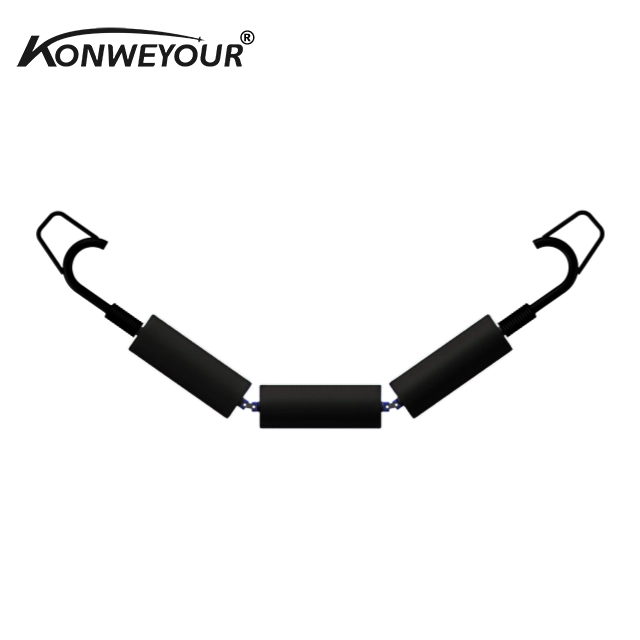
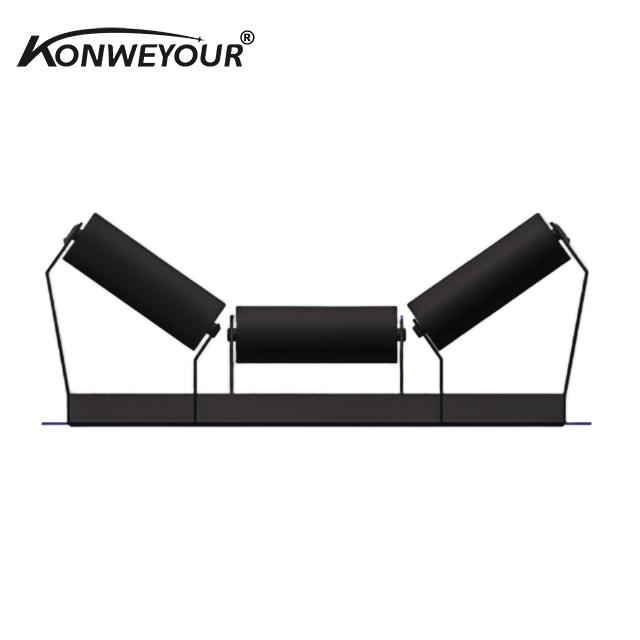
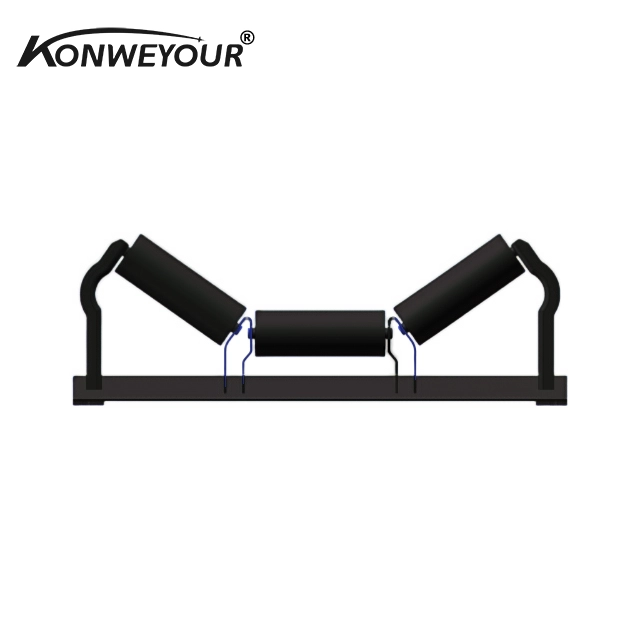
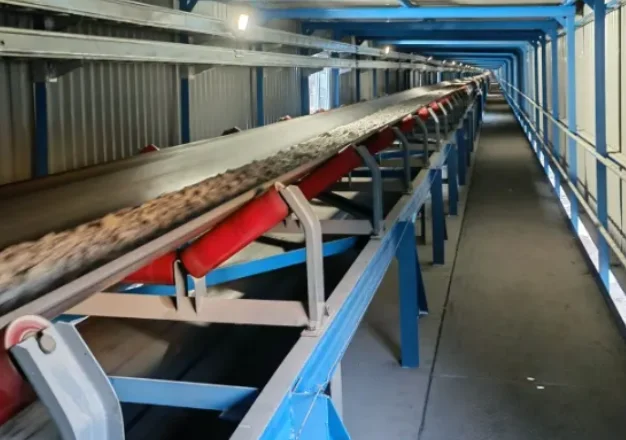
If you’re new to conveyor tech, here’s a quick definition: a belt over roller conveyor is essentially a conveyor system where a belt runs atop a series of rollers. This might sound straightforward, but it’s the marriage of these components that allows for both smooth sliding, from the belt, and the low-friction support provided by rollers beneath.
Unlike traditional belt conveyors fixed over a solid deck, the rollers reduce friction underneath the belt, lowering energy consumption and allowing the system to handle heavier or bulkier loads more easily. In modern industry, this design helps logistics companies tweak speed and motion for different products, from fragile electronics to heavy pallets — all within the same system footprint.
Humanitarian needs also lean on such conveyors for rapid deployment, as their modularity allows fast setup in relief zones to distribute essentials efficiently.
Mini Takeaway: A belt over roller conveyor blends efficient material movement with flexibility and energy savings, making it a modern-day workhorse in diverse environments.
Core Components That Define Belt Over Roller Conveyors
1. Durability
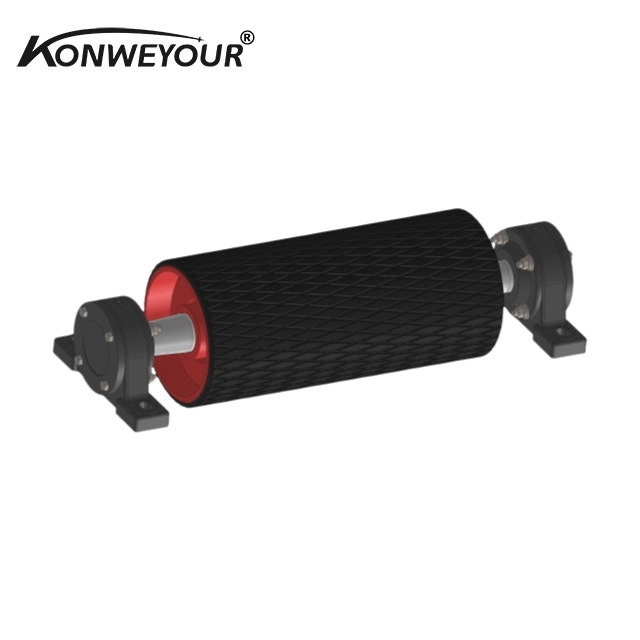
Durability can’t be overstated. Many engineers I spoke to emphasized that the rollers and belts must withstand continuous, high-load use. The rollers are generally constructed from steel or heavy-duty plastic composites, while belts use wear-resistant materials like PVC or polyurethane.
2. Scalability
Because industrial operations vary in scale — from small package sorting systems to massive manufacturing lines — scalability is a must. Systems are often modular, allowing easy addition or removal of conveyor sections depending on operational demands.
3. Cost Efficiency
It feels like every business looks for that sweet spot in cost vs. performance. These conveyors’ reduced friction lowers energy consumption while decreasing wear and tear on belt components, translating into lower maintenance and operational costs over time.
4. Customizability
Rollers can be spaced to accommodate different product dimensions, and belts can be designed for specific grip or resistance levels. This makes the system versatile, especially in industries with varied product lines.
5. Safety Features
Integrating sensors and emergency stops is standard now — ensuring safer workplaces. The belt over roller conveyor’s smooth operation also minimizes product damage and employee fatigue.
Mini Takeaway: Durability, cost-effectiveness, and customization come together in these conveyors, solving real operational puzzles daily.
Who Benefits? Global Use Cases of Belt Over Roller Conveyor Systems
It’s fascinating how widespread this conveyor solution is. Here’s a quick globe-trot through its applications:
- E-commerce fulfillment centers (North America, Europe): Handling millions of small parcels quickly and reliably.
- Manufacturing hubs (China, Germany, Japan): Streamlining production lines for automotive, electronics, and consumer goods.
- Humanitarian logistics (Africa, Southeast Asia): Post-disaster relief efforts rely on portable conveyors for rapid supplies movement.
- Food and beverage industry (Brazil, France): Transporting delicate products without damage.
- Airport baggage handling worldwide: Where clothes, electronics, and fragile items must glide through enormous facilities efficiently.
For example, a large distribution center in the Netherlands recently upgraded to belt over roller conveyors and reported a 15% increase in throughput while reducing maintenance downtime by nearly 20% (3).
Mini Takeaway: Belt over roller conveyors are global heroes — from tech hubs to humanitarian corridors — adapting to wildly different operational needs with grace.
Advantages & Long-Term Value of Installing Belt Over Roller Conveyors
Here’s the crux: why do so many companies stick with these systems? Beyond moving stuff faster, these conveyors deliver solid value:
- Energy Savings: Reduced friction means less motor power is needed.
- Lower Maintenance Costs: Components last longer, and repairs are less frequent.
- Safety & Dignity: Smooth handling means fewer damaged goods, fewer accidents, and happier employees.
- Sustainability: Many belts now use recycled materials, and energy-efficient motors help cut carbon footprints.
- Innovation: Smart integration with sensors and IoT systems enables predictive maintenance and operational insights.
Think of it like investing in a pair of reliable shoes for a marathon — the upfront fit and function save you from painful blisters (or breakdowns) miles down the road.
Mini Takeaway: The belt over roller conveyor is not just about moving goods — it delivers tangible economic, social, and environmental benefits that pay off long term.
Looking Ahead: Innovations Shaping the Future of Belt Over Roller Conveyors
Frankly, it’s an exciting time in this field. Here’s what’s brewing:
- Smart Conveyors: AI-powered sensors that predict component wear and optimize speed.
- Eco-Friendly Materials: New biodegradable belts and low-impact rollers on the horizon.
- Energy Harvesting: Technologies that reclaim energy from conveyor movement.
- Modular Automation: Easy to reconfigure or expand, matching fast-changing production lines.
Plus, ongoing ISO standards updates focus on safety and sustainability, helping manufacturers and users minimize risks while maximizing efficiency.
Mini Takeaway: As industries digitalize and greenify, belt over roller conveyors are evolving to be smarter, cleaner, and more adaptive.
Challenges Faced & How Experts Overcome Them
Nothing’s perfect, right? Several common challenges include:
- Wear from heavy loads: Even with rollers, belts struggle under highly abrasive materials.
- Alignment issues: Poorly aligned rollers cause belt tracking problems.
- Costs of custom solutions: Highly specialized conveyors can be pricey.
Expert engineering teams tackle these by:
- Using advanced materials like UHMW polyethylene for rollers and reinforced belts.
- Employing automated belt tracking sensors to adjust alignment real-time.
- Leveraging modular designs to reduce customization expenses.
Mini Takeaway: While challenges exist, smart design and new tech keep pushing belt over roller conveyors’ limits safely and affordably.
Product Specification Table
| Feature |
Specification |
Typical Use |
| Belt Width |
300 mm–1800 mm |
Small to large product handling |
| Roller Diameter |
50 mm–100 mm |
Standard material weights |
| Max Load |
Up to 200 kg per meter |
Heavy palletized goods |
| Belt Material |
PVC, PU, Rubber variants |
Product-specific needs |
| Speed Range |
0.1–3 m/s |
Varied throughput demands |
Vendor Comparison Table
| Vendor |
Product Range |
Customization |
Price Range |
After-sales Support |
| ConveyorTech Inc. |
Standard & Heavy Duty |
High |
$$$ |
24/7 support with onsite visits |
| RollerBelt Solutions |
Modular Systems |
Medium |
$$ |
Remote diagnostics + hotline |
| Global Conveyors Ltd. |
Custom & Heavy Load |
Very High |
$$$$ |
Dedicated project support
Extended warranties |
Frequently Asked Questions About Belt Over Roller Conveyors
Q1: How does a belt over roller conveyor improve energy efficiency compared to traditional belt-only conveyors?
A1: By having rollers beneath the belt, friction during material movement is significantly reduced. This means motors don’t have to work as hard to move goods along, leading to lower energy consumption. Many operators report up to 10-15% energy savings depending on load types and conveyor length.
Q2: Can belt over roller conveyor systems be easily adapted for different product shapes and sizes?
A2: Absolutely. Thanks to customizable roller spacing and belt types, these conveyors can accommodate fragile items, bulky packages, or slippery materials. Modularity also means sections can be swapped or adjusted to fit evolving product lines without major overhauls.
Q3: What kind of maintenance does a belt over roller conveyor require?
A3: Routine checks focus on belt tension, roller alignment, and wear of belt materials. Because rollers reduce wear on belts, maintenance intervals tend to be longer than traditional belt conveyors. Using predictive sensors can further anticipate component replacements to avoid downtime.
Q4: Are these conveyors suitable for outdoor use or harsh environments?
A4: Yes, although materials must be selected carefully. For outdoor or wet environments, corrosion-resistant rollers (like stainless steel or coated versions) and waterproof belts are recommended. Some systems also include covers or enclosures to protect against elements.
Q5: How does automation integrate with belt over roller conveyors?
A5: Modern conveyors often include sensors for speed control, product detection, and package sorting. Automation allows real-time adjustments and predictive maintenance. Integration with warehouse management systems (WMS) further streamlines throughput.
Conclusion: Why Invest in Belt Over Roller Conveyors Today?
All told, belt over roller conveyors offer a compelling mix of efficiency, adaptability, and sustainability — qualities that global industries and humanitarian organizations can’t afford to overlook. They’re not only about moving goods faster or cheaper but about doing so safely and thoughtfully, minimizing energy use and maintenance headaches.
If you’re considering improving your material handling operations, exploring belt over roller conveyor systems could be a game-changer. Trust me, it’s a practical choice that pays dividends in reliability and long-term savings.
References
- United Nations Industrial Development Organization (UNIDO) – Industrial Statistics and Reports
- World Bank – Global Supply Chain and Economic Development Reports
- Logistics Tech Journal, 2023 – Case Study: Netherlands Distribution Center Upgrade