Screw Auger Parts: Essential Components Powering Modern Industry
At first glance, screw auger parts might not sound like the most thrilling topic, but they quietly hold a pivotal role in countless industries worldwide. From agriculture to mining, these components are the unsung heroes of material handling and processing equipment. Their global importance is grounded in their functionality — moving, mixing, or dispensing bulk materials with efficiency and precision. Understanding screw auger parts isn’t just for engineers; it has broad implications for everything from food security to industrial productivity and disaster response.
Introduction: The Global Context of Screw Auger Parts
Industries worldwide depend on reliable material handling. According to some estimates by the International Organization for Standardization (ISO), over 2 billion tons of bulk materials are moved annually in facilities relying on systems that use screw augers or auger-like mechanisms. The challenge is significant: how do you efficiently transport everything from grain and cement to waste and biomaterials, often across long distances or tough environments? Screw auger parts address that by enabling continuous, controlled movement of solids, critical for modern manufacturing and distribution.
Consider, for example, the UN Food and Agriculture Organization’s warnings about inefficiencies in grain storage and transport — screw augers directly impact how we handle these feedstocks on a large scale. Failures or inefficiencies in these parts can ripple across global supply chains, causing costly downtime or spoilage.
What Are Screw Auger Parts?
Put simply, screw auger parts are the individual components that make up a screw conveyor or auger system. The core is the helical screw blade, or flight, which rotates inside a cylindrical casing. This rotation moves bulk materials along the screw’s length—think of it as a giant, spiraled screw pushing solids forward. Other parts include the shaft, bearings, hangers, and the casing itself. Together, these combine to form a mechanical system that’s both simple and extremely versatile.
This technology’s roots go back centuries, with early versions used to move grain and water. Today, it’s indispensable in humanitarian projects as well — moving soil or supplies in disaster relief zones, for example — because screw augers can be adapted to different scales and terrains.
Key Components and Important Factors
1. Durability and Material Quality
The parts must withstand heavy wear—abrasion, corrosion, and sometimes extreme temperatures. From stainless steel flighting that resists rust, to hardened shafts for heavy-duty mining applications, material choice drastically impacts longevity. Frankly, good screw auger parts are an investment against costly failures.
2. Scalability and Dimensions
Size matters. Augers vary from small, 2-inch diameter parts for delicate food-grade powder handling, to massive 36-inch or larger flights for construction aggregates. Scalability ensures that industries as diverse as pharmaceuticals or steel manufacturing can tailor equipment precisely.
3. Cost Efficiency
Choosing the right parts involves balancing initial costs with maintenance and downtime. It feels like a bit of a puzzle — cheaper parts might wear out quickly, while premium materials pay off over time. Suppliers who offer customization and quality control bring extra value.
4. Maintenance and Replaceability
Because auger parts wear with use, designing for easy replacement minimizes downtime. Modular designs with standardized parts help operators keep systems running smoothly, which is critical in continuous process industries.
5. Compatibility and Integration
Parts must fit existing systems or conform to industry standards — a challenge when retrofitting or scaling up plants. Vendors who provide detailed specifications and support make life easier for engineers.
Technical Specifications of Typical Screw Auger Parts
| Component |
Material |
Diameter |
Typical Use |
| Helical Flighting |
Carbon Steel / Stainless Steel |
4"–36" |
Bulk Material Transport |
| Central Shaft |
Hardened Steel |
Depends on Flighting Size |
Rotation Support |
| Bearing Assemblies |
Sealed Grease-Lubricated Bearings |
Varies |
Smooth Shaft Rotation |
| Trough / Tubing |
Mild or Stainless Steel |
Custom Lengths |
Material Containment |
Mini takeaway: The durability, scalability, and fit of screw auger parts determine the reliability and usability of bulk material handling systems across diverse industries.
Global Applications & Real-World Use Cases
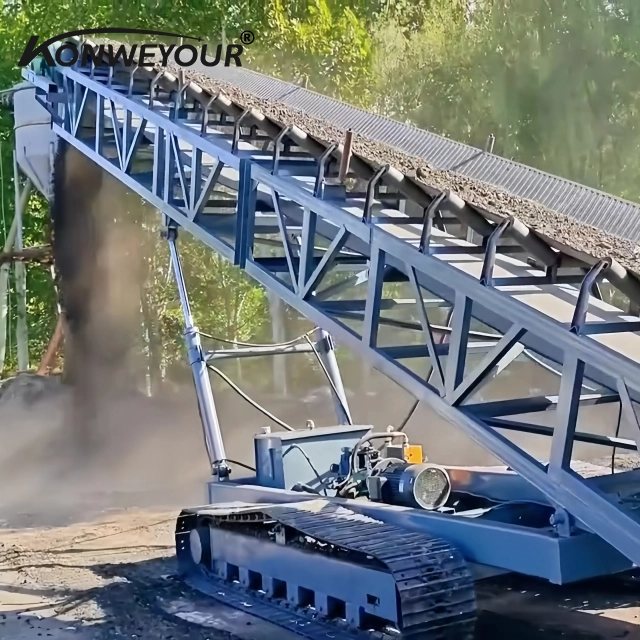
Screw auger parts show up everywhere industries move solid materials efficiently. In agriculture, they transport grains and feedstocks reliably from silos to conveyors. Mining companies use large-diameter augers to move ores and crushed materials. In construction, cement and aggregate handling heavily rely on screw conveyors for stability and accuracy.
Oddly enough, humanitarian efforts increasingly depend on screw augers too. After natural disasters like earthquakes or floods, relief organizations use modular screw auger-based equipment to pump or move cleanup debris, or distribute supplies in rough terrain. Remote industrial zones, for example in parts of Africa or South America, use locally repairable auger components to keep processing lines running despite logistical challenges. This really illustrates how fundamental these seemingly simple parts are on a human level.
Comparison of Leading Screw Auger Parts Vendors
| Vendor |
Material Options |
Customization |
Delivery Time |
Typical Industries Served |
| JT Conveyor Parts |
Carbon Steel, Stainless Steel, Special Alloys |
High – Custom Lengths, Diameters |
2-3 weeks |
Agriculture, Mining, Construction |
| Global Auger Inc. |
Carbon Steel, Stainless Steel |
Medium – Limited custom sizes |
3-5 weeks |
Food Processing, Waste Management |
| Screwveyor Supplies |
Mild Steel Defaults |
Low – Standard parts only |
1-2 weeks |
Basic Industrial Applications |
Advantages & Long-Term Value of Quality Screw Auger Parts
Using high-quality screw auger parts has clear tangible benefits. On the hard end, they reduce downtime by lasting longer and resisting wear. That savings is palpable, especially when you consider the cost of halted production lines or emergency repairs. There’s also a strong sustainability angle: well-maintained parts cut waste and energy use. More efficient transport of raw materials reduces emissions indirectly.
On the softer side, reliable equipment fosters safety and trust. Workers feel confident when their tools hold up under pressure. Plus, the innovation in materials and design continues to build smarter, more adaptable systems — ultimately raising industry standards and keeping communities involved in meaningful work. All of which makes the marketplace more resilient to shocks or disruptions.
Future Trends & Innovations in Screw Auger Parts
The future? It’s pretty exciting, oddly enough. One promising direction is the use of advanced alloys and coatings to dramatically increase lifespan and corrosion resistance, especially in harsh environments. Digital transformation is also hitting the sector — for example, sensors integrated into auger systems can now monitor wear in real time, prompting maintenance before failures.
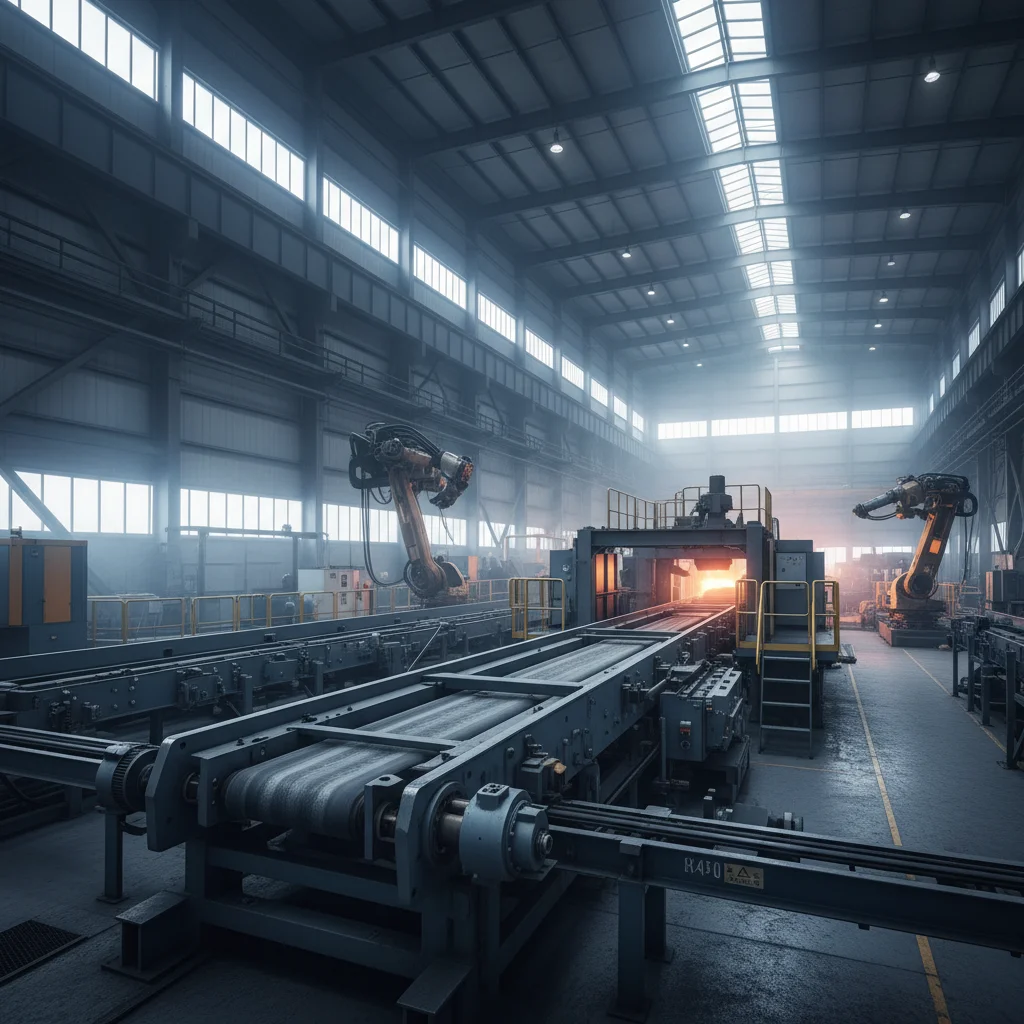
Automation is another game-changer, as screw conveyor systems become part of fully robotic bulk handling lines. Meanwhile, sustainability-focused companies experiment with lighter, recyclable materials and greener manufacturing processes. Standards bodies like ISO are also working on new certification systems for traceability and quality assurance, which will raise the bar globally.
Challenges & Innovative Solutions
Despite these advances, challenges persist. For one, the abrasive nature of some materials leads to rapid wear in edges and flights. Repair can be costly if parts aren’t modular. Logistics for custom parts in remote industries mean long waits. Engineers are tackling these with modular designs, standardized fittings, and enhanced coating technologies.
Some companies are experimenting with additive manufacturing (3D printing) for quick on-site repairs — which could revolutionize part availability in hard-to-reach places. All this shows screw auger parts continue evolving, reflecting broader trends in industrial engineering.
FAQ: Frequently Asked Questions About Screw Auger Parts
-
Q: How do I choose the right screw auger parts for abrasive materials?
A: Look for parts made from hardened steel or with wear-resistant coatings such as tungsten-carbide overlays. Also, consider designs with replaceable wear liners. This extends equipment life by absorbing abrasion damage on sacrificial surfaces.
-
Q: Can screw auger parts be customized for unusual material types?
A: Absolutely. Many vendors, including screw auger parts specialists, offer tailored flights, shaft sizes, and materials adapted for sticky, fragile, or highly abrasive substances.
-
Q: What maintenance is typically required for auger parts?
A: Regular inspections for wear, lubrication of bearings, and alignment checks are essential. Scheduled part replacements minimize downtime and prevent failures.
-
Q: How long do screw auger parts last in a standard industrial application?
A: Lifespan varies widely based on material handled and part quality but typically ranges between 3 to 10 years with proper maintenance.
Conclusion
Screw auger parts might seem simple, but their impact is huge and multi-dimensional — from boosting productivity to supporting humanitarian efforts. Investing in robust, well-designed components delivers long-term value: cost savings, sustainability, and operational confidence. If you want to dig deeper or explore custom solutions, I highly recommend visiting our website: https://www.jtconveyor.com.
So next time you notice some bulk material moving effortlessly through an industrial plant or a remote mining site, odds are, a well-crafted screw auger part is quietly doing its heavy lifting behind the scenes.