Top Conveyor Parts: What Every Industrial Pro Should Know
Having spent more than a decade tinkering in the industrial equipment world, I’ve come to appreciate the quiet reliability of conveyor parts. You don’t often hear folks rave about conveyor rollers or sprockets the same way they do about flashy tech — but frankly, these components make or break your workflow.
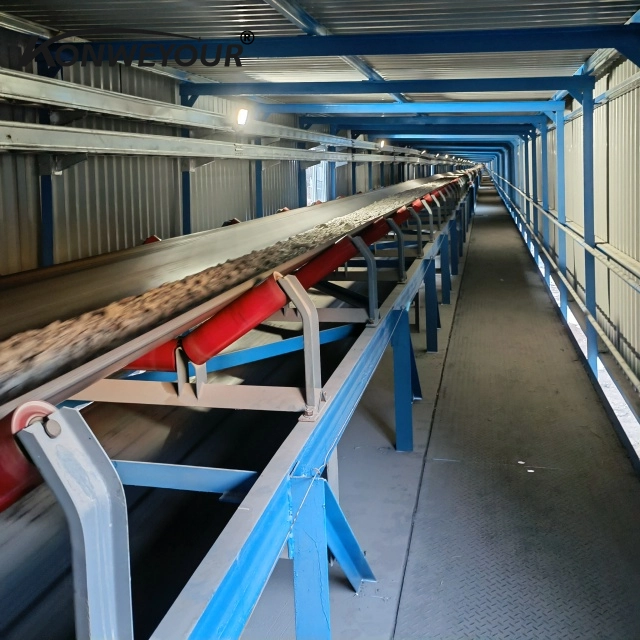
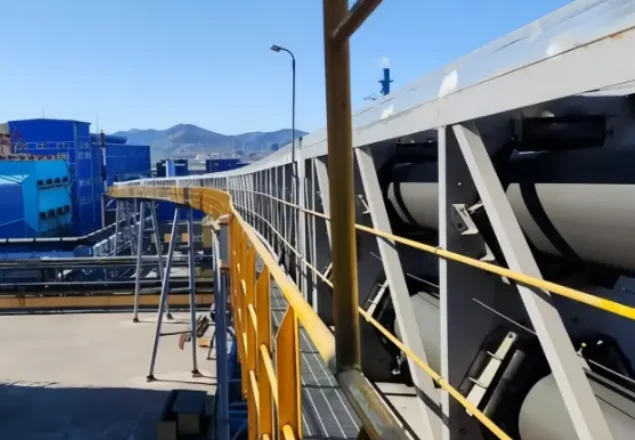
For those who might not be so immersed, conveyors are the nervous system of many factories, warehouses, and processing plants. When they fail, downtime isn’t just annoying — it can be costly enough to send ripples through a business. So it pays to know your top conveyor parts inside and out.
Top conveyor parts tend to share a few key qualities: durability, smooth operation, and ease of maintenance. Let’s dive into some of the common players, the specs to watch for, and a quick vendor shot so you get a real feel for the market.
Key Conveyor Components and Why They Matter
At the heart of any conveyor system, you’ll find parts like belts, rollers, pulleys, bearings, and sprockets. Each plays a distinct role:
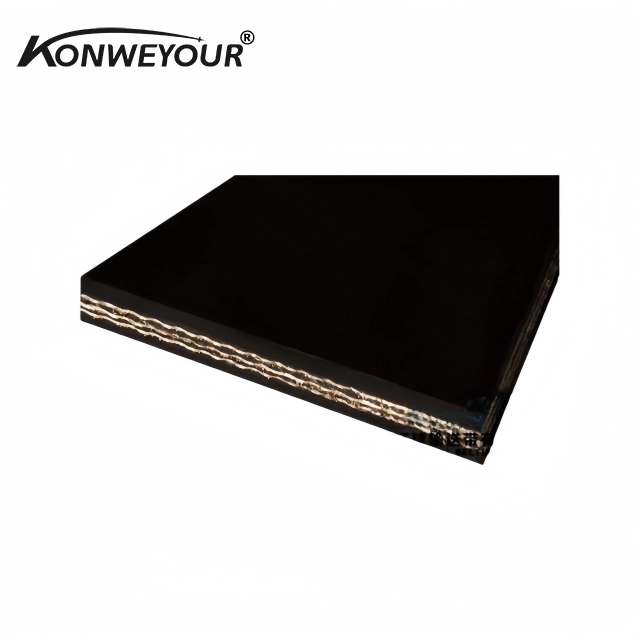
- Belt: The surface that moves your product along. Materials vary from PVC to rubber depending on wear resistance and operating environment.
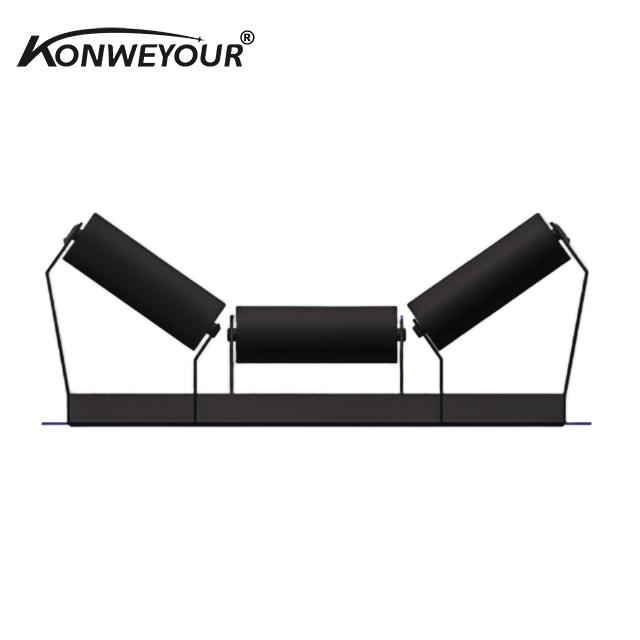
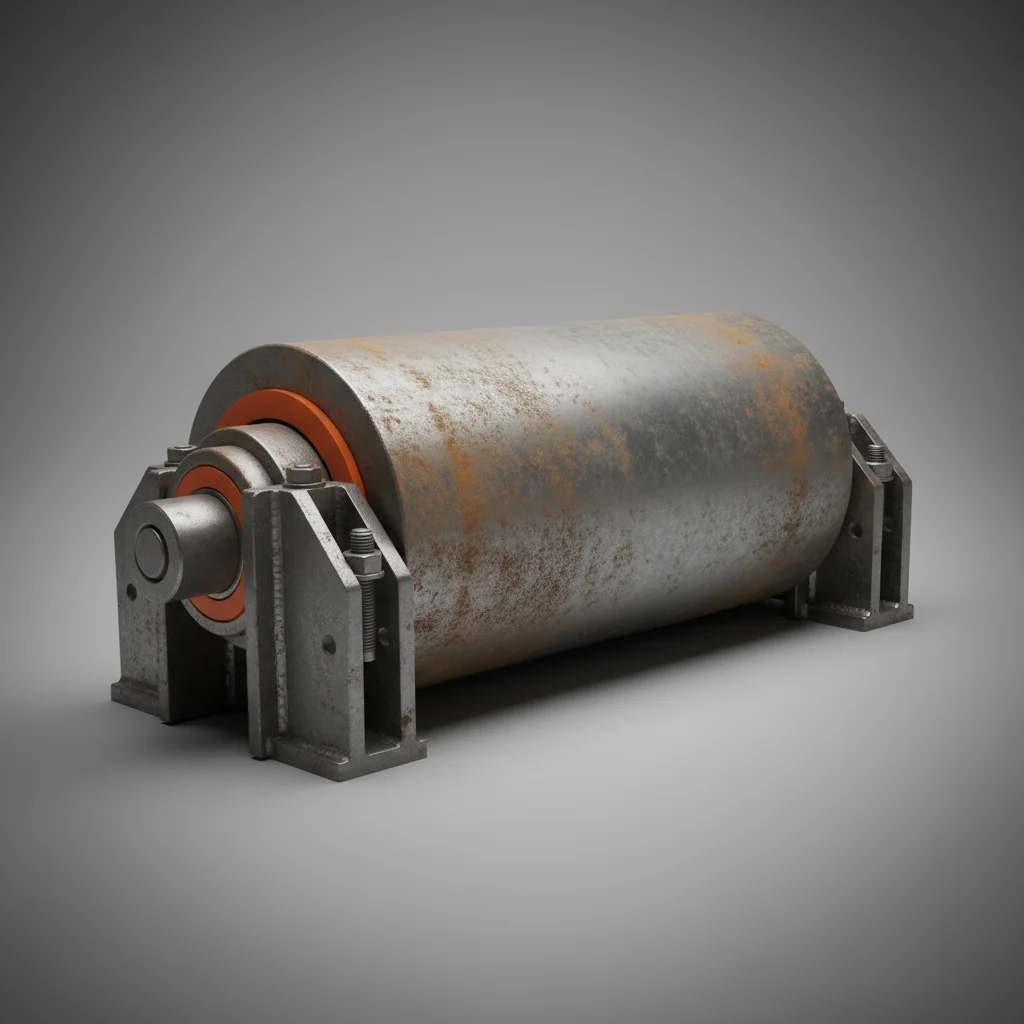
- Rollers: Cylinders supporting the belt, allowing it to roll smoothly. Typically steel or plastic.
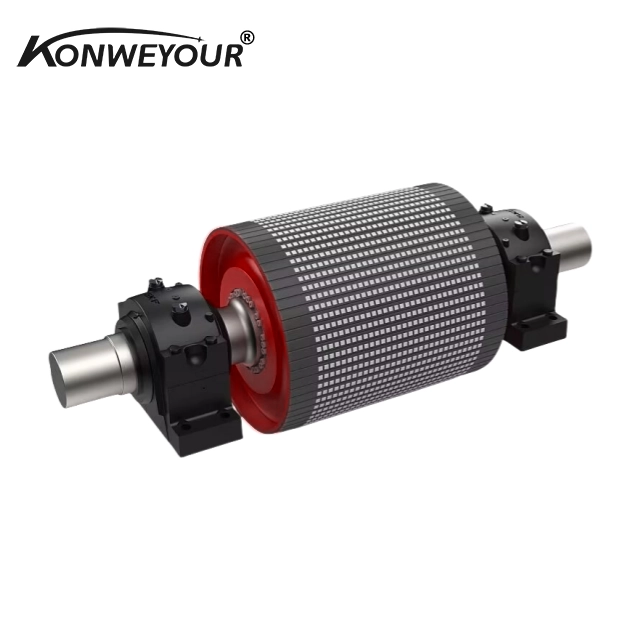
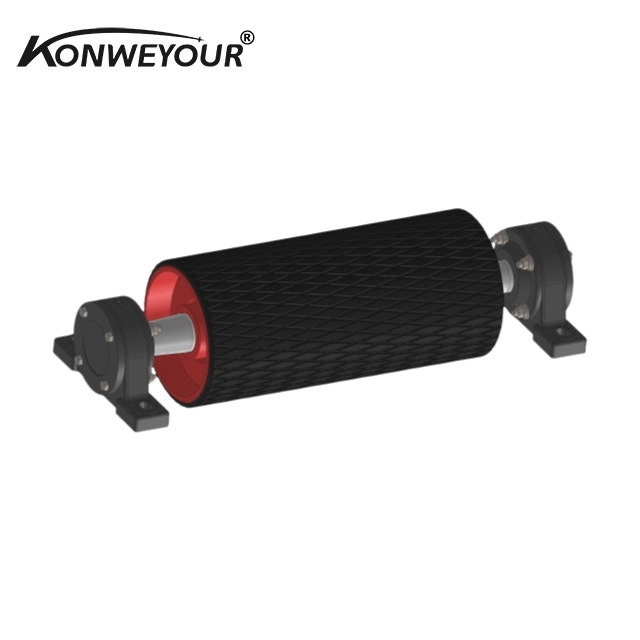
- Pulleys: Guide and drive the belt. Engineered for strength and precision.
- Bearings: Reduce friction on moving parts. Quality bearings prevent energy loss and wear.
- Sprockets: Engage with chains in heavy-duty conveyors. Materials and tooth design affect lifespan.
Oddly enough, the actual choice of these parts often comes down to the environment. Moisture, temperature swings, abrasive materials all influence what materials or coatings you’ll need. I once had to source stainless steel rollers for a foodpackaging line because hygiene standards were strict — and the switch eliminated corrosion issues entirely.
Specs to Watch Out For in Conveyor Parts
| Component |
Material |
Typical Load Capacity |
Operating Temperature |
| Rollers |
Steel / HDPE Plastic |
Up to 5000 lbs |
-20°C to 80°C (varies) |
| Belts |
PVC / Rubber / Modular Plastic |
Varies widely |
-30°C to 120°C |
| Sprockets |
Forged Steel / Cast Iron |
Up to 10,000 lbs (heavy chains) |
-40°C to 100°C |
| Bearings |
Chrome Steel / Stainless Steel |
Depends on size and design |
-30°C to 120°C |
Vendors: How Do They Stack Up?
When you're in the market for conveyor parts, you're quickly faced with choices — and pricing can vary wildly. Here's a quick comparison of three well-known vendors known for quality and service:
| Vendor |
Quality |
Customization |
Lead Time |
Price Range |
| JT Conveyor |
High |
Extensive (custom belts, parts) |
2-4 weeks |
$$$ |
| Generic Conveyor Supply |
Medium |
Limited |
1-2 weeks |
$$ |
| HeavyDuty Parts Co. |
Very High (industrial grade) |
Moderate |
3-6 weeks |
$$$$ |
In my experience, JT Conveyor stands out for combining quality with custom fit options that actually make a difference on-site. I once recommended them to a client who needed bespoke belts for an uneven conveyor path — the turnaround was surprisingly fast, and the new setup runs smoother than ever.
Final Thoughts on Choosing Conveyor Parts
Conveyor parts get overlooked but fixing your eyes here will save downtime and headaches in the long run. From choosing the right materials to scouting vendors who support customization, knowledge is power. Oddly enough, the better you understand these “hidden” parts, the more you can elevate the whole system’s performance.
So, next time your plant manager asks for recommendations on roll replacement or belt upgrades, you can bring a little extra practical wisdom to the table — and maybe even win a nod of approval.
Happy conveying!
References:
1. Conveyor Equipment Manufacturers Association, “Conveyor Systems Overview”
2. Industry Today, “Material Selection for Conveyor Components” (2023)
3. JT Conveyor official product specs and customer reviews