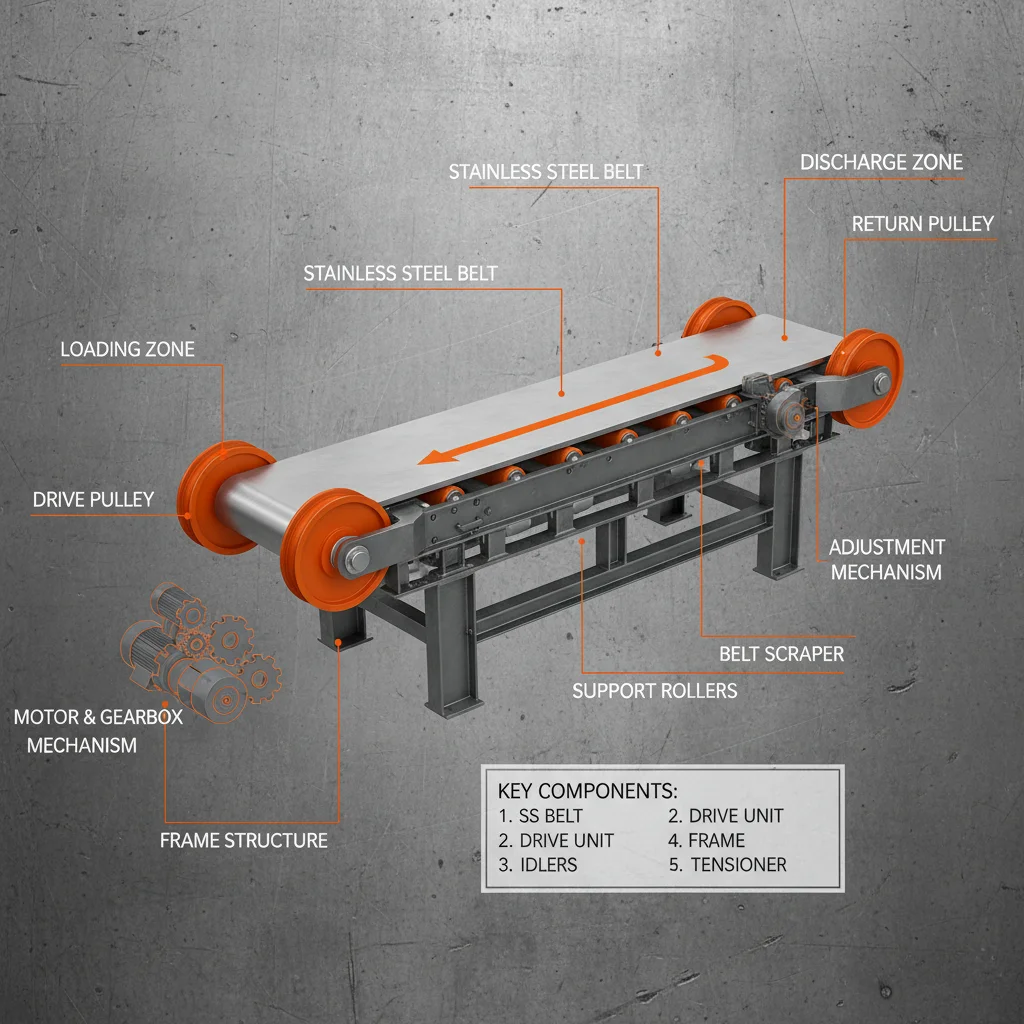
Revolutionizing Efficiency with Advanced Mining Conveyor Belt Systems
In the demanding realm of global mineral extraction, the efficiency and safety of material handling operations are paramount. A robust mining conveyor belt system stands as the backbone of modern mining, transforming the traditional, labor-intensive movement of raw materials into a seamless, automated process. Far from simple transporters, today's conveyor systems are sophisticated engineering marvels, integrating cutting-edge technology to address the unique challenges of subterranean depths and vast open-pit landscapes. They are the critical arteries through which minerals flow, influencing everything from production targets and operational costs to environmental compliance and worker safety. The transition from intermittent hauling methods to continuous conveyor transport marks a significant leap forward, offering unparalleled benefits in throughput, energy consumption, and reliability. This introductory exploration sets the stage for a deep dive into how these integral systems are not just moving materials, but are fundamentally redefining the economics and operational paradigms of the mining industry, empowering operations to achieve unprecedented levels of productivity and sustainability. Understanding their foundational role is the first step in appreciating the intricate design and immense strategic value they bring to any mining venture, solidifying their position as indispensable assets in the pursuit of mineral wealth.
The Transformative Impact of Modern Conveyor Technologies: Data-Driven Efficiency
The advent of sophisticated analytics and interconnected technologies has catapulted modern conveyor systems beyond mere material transport devices into intelligent, data-generating powerhouses. The quantifiable impact of these innovations on mining operations is nothing short of revolutionary. Enterprises deploying advanced conveyor technologies frequently report a substantial reduction in operational costs, often exceeding 25-30% compared to traditional trucking methods, primarily due to lower fuel consumption, reduced tire wear, and decreased labor requirements. This translates directly into significant savings, enhancing bottom-line profitability. Furthermore, the continuous and predictable flow of material facilitated by these systems can boost material throughput by as much as 50-70%, allowing mines to process more ore or coal in less time, thereby maximizing resource utilization and output potential. Real-time data acquisition from sensors embedded within the belt, idlers, and drive units provides crucial insights into system performance, enabling predictive maintenance schedules that can diminish unscheduled downtime by up to 40%. For instance, a major copper mine in South America observed a 35% reduction in maintenance-related stoppages within the first year of implementing a smart conveyor system. Beyond cost and throughput, these systems drastically improve safety profiles. By minimizing the need for heavy vehicle traffic on treacherous mine roads, the risk of accidents involving personnel and equipment is substantially lowered, contributing to a safer working environment and fewer lost-time incidents. The shift towards automated and continuous material handling not only optimizes the logistical chain but also provides a wealth of actionable data that empowers decision-makers to continuously refine operations, driving efficiency and resilience across the entire mining value chain.
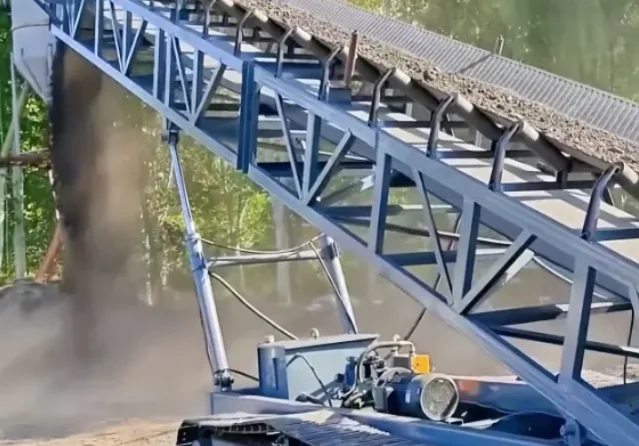
Unpacking Technical Superiority: Key Advantages and Innovations
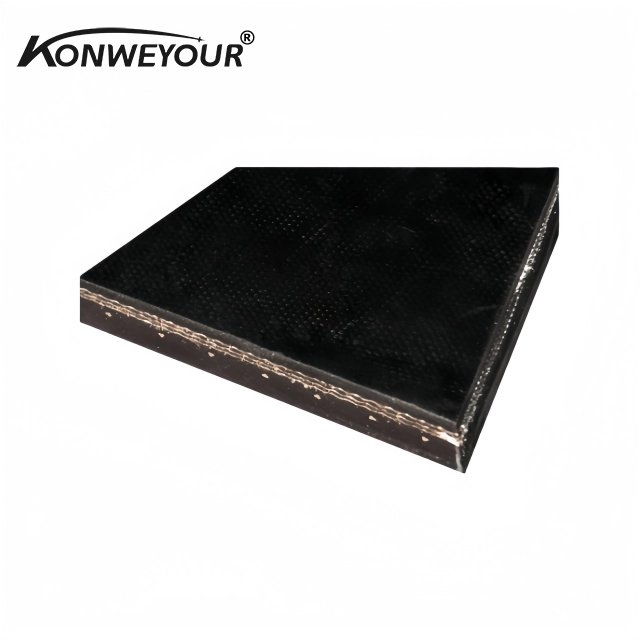
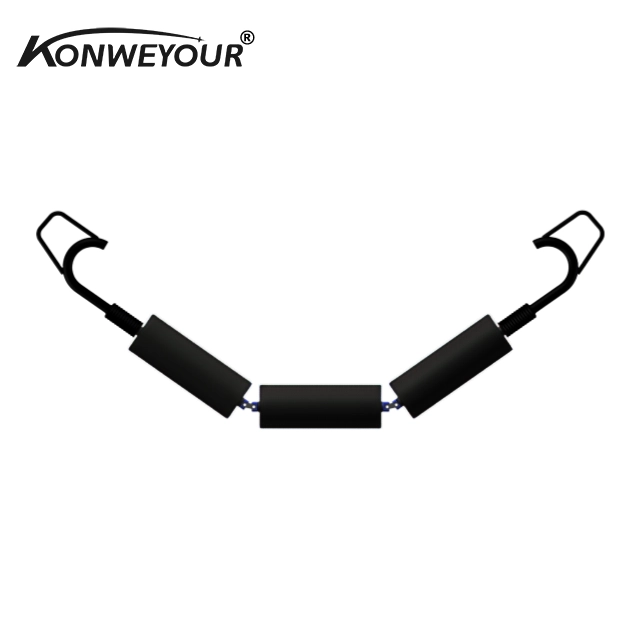
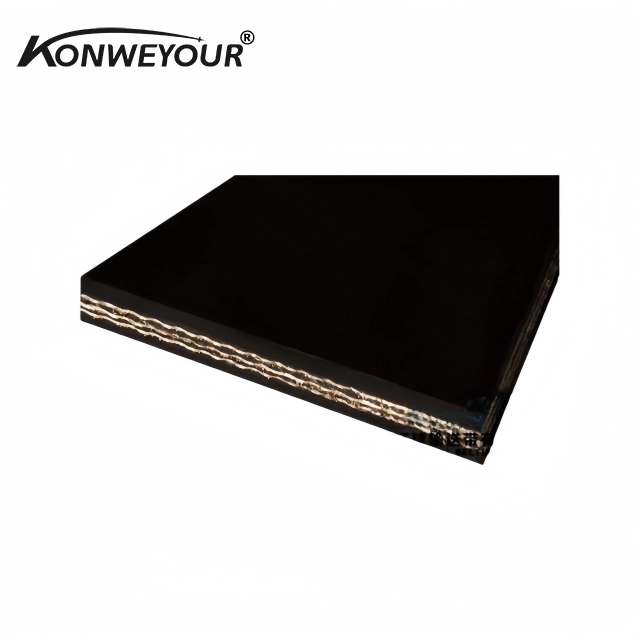
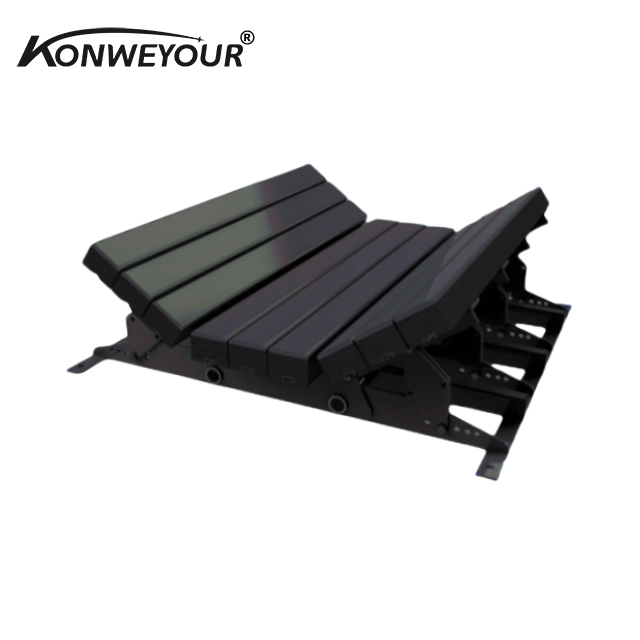
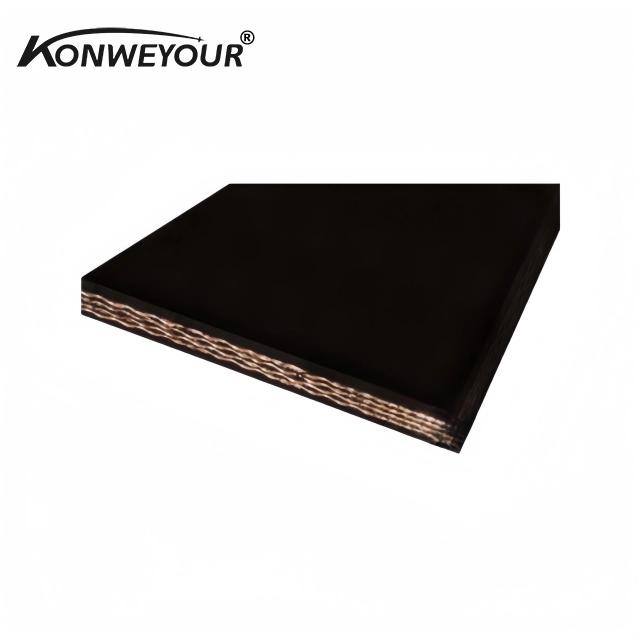
Modern conveyor belt systems distinguish themselves through a confluence of technical advancements that address the complex and often brutal conditions inherent in mining. At their core, these systems leverage advanced belting materials, such as high-strength steel cord and multi-ply fabric constructions, offering superior tensile strength, abrasion resistance, and rip protection. These materials significantly extend belt lifespan, even when handling highly abrasive ores or sharp rock fragments. Drive technology has seen remarkable evolution, with the widespread adoption of Variable Frequency Drives (VFDs) that allow for precise speed control, soft start/stop capabilities, and substantial energy savings – often reducing power consumption by 15-20% compared to fixed-speed systems. Modularity in design is another critical innovation, facilitating easier installation, expansion, and maintenance. Components like idlers, rollers, and belt cleaning systems are often designed for quick replacement, minimizing downtime. Furthermore, integration of Internet of Things (IoT) sensors and Artificial Intelligence (AI) for predictive maintenance is transforming reliability. These sensors monitor everything from belt tension and tracking to bearing temperatures and idler wear, transmitting data in real-time to control rooms. AI algorithms then analyze this data to predict potential failures before they occur, scheduling proactive interventions and preventing costly, unscheduled outages. Environmental considerations are also at the forefront of technical design, with features like advanced dust suppression systems, enclosed transfer points, and low-noise idlers contributing to cleaner, quieter operations. Energy regeneration systems on downhill conveyors capture and return power to the grid, further enhancing efficiency. These integrated technical advantages collectively contribute to a conveyor system that is not only robust and reliable but also intelligent, environmentally conscious, and highly optimized for peak performance in challenging mining environments.
Navigating the Landscape: A Comparison of Leading Conveyor System Manufacturers
Choosing the right conveyor system manufacturer is a strategic decision that significantly impacts a mine's long-term operational success and profitability. The global market offers a diverse array of providers, each bringing unique strengths in terms of technology, customization capabilities, and after-sales support. Evaluating these differences is crucial for selecting a partner whose offerings align perfectly with specific project requirements, material characteristics, and budget constraints. Key parameters for comparison typically include the manufacturer's maximum achievable capacity, the range of belt widths they can accommodate, their track record in energy efficiency, the estimated durability of their components, the flexibility of their customization options, and the responsiveness and scope of their after-sales service and spare parts availability. While precise figures vary depending on the specific model and configuration, the following illustrative table provides a comparative overview of what one might expect from different types of manufacturers:
Manufacturer Type | Max Capacity (TPH) | Belt Width Range (mm) | Energy Efficiency (Rating) | Estimated Durability (Years) | Customization Score (1-5) | After-Sales Support |
Global Tier-1 Provider | 15,000+ | 800 - 3000 | Excellent (A+) | 25-30+ | 5 (High) | Global, 24/7, Extensive |
Specialized Mid-Tier | 8,000 - 12,000 | 600 - 2400 | Very Good (A) | 20-25 | 4 (Good) | Regional, Strong |
Regional Value Provider | 3,000 - 7,000 | 500 - 1800 | Good (B+) | 15-20 | 3 (Moderate) | Local, Responsive |
Global Tier-1 providers often excel in large-scale, complex projects requiring the highest capacities and cutting-edge technology, backed by extensive R&D. Specialized mid-tier companies may offer more niche solutions, perhaps focusing on specific material types or challenging terrains, with robust engineering. Regional value providers typically serve smaller to medium-sized operations, emphasizing cost-effectiveness and localized service. This comparison underscores the importance of a thorough due diligence process, involving detailed technical specifications, project references, and a clear understanding of long-term support capabilities, to ensure the chosen partner can deliver a system that meets the mine's immediate needs and future growth trajectories.
Precision Engineering: Tailoring Custom Conveyor Solutions for Unique Mine Requirements
In mining, the adage "one size fits all" simply does not apply. Every mine presents a unique combination of geological, topographical, and operational challenges that demand a highly customized approach to conveyor system design. Precision engineering is not merely a luxury but a necessity for maximizing efficiency, ensuring safety, and achieving optimal return on investment. The customization process begins with an exhaustive site assessment, taking into account factors such as the type and abrasiveness of the material to be transported, the desired throughput, the environmental conditions (e.g., extreme temperatures, high humidity, dust, corrosive elements), the available footprint, and the specific gradient profiles of the terrain. For an underground coal mine, for example, considerations might include flame-retardant belting, compact designs for restricted spaces, and integrated ventilation systems. An open-pit iron ore mine, conversely, would require incredibly robust belting capable of handling massive tonnages of sharp, heavy material, combined with long-distance capabilities and advanced dust control. Engineers leverage sophisticated simulation software to model various scenarios, optimizing belt speeds, tension, power requirements, and transfer chute designs to minimize wear, spillage, and energy consumption. This iterative design process allows for the integration of specialized components like pipe conveyors for enclosed material transport, high-angle conveyors for steep inclines, or mobile crushing and conveying units for flexible pit operations. The outcome is a bespoke solution that is not only perfectly adapted to the mine's current operational demands but also scalable and flexible enough to accommodate future expansion or changes in mining methodology. This meticulous attention to detail in customization guarantees a conveyor system that delivers unparalleled performance, reliability, and longevity, proving its value as a strategic asset over decades of continuous operation.
Real-World Success: Illustrative Application Cases Across Diverse Mining Operations
The efficacy and transformative power of custom-engineered conveyor belt systems are best illustrated through their successful deployment in diverse mining environments worldwide. These real-world applications underscore how tailored solutions overcome specific challenges and deliver tangible benefits. Consider a massive open-pit copper mine in Chile, which implemented a 20-kilometer overland conveyor system to transport crushed ore from the mine face to the processing plant. Replacing a fleet of over 100 haul trucks, this system achieved an incredible 60% reduction in fuel consumption, a 90% decrease in CO2 emissions, and a 35% cut in operational labor costs, all while maintaining a consistent throughput of 10,000 tons per hour. The system's integration of a regenerative drive allowed it to generate electricity on downhill sections, further enhancing its sustainability credentials. Another compelling case involved an underground gold mine in Canada, where space constraints and steep declines presented significant challenges. A high-angle conveyor (HAC) system, capable of elevating ore at angles up to 45 degrees, was custom-designed. This eliminated the need for multiple transfer points and reduced the overall footprint by 40%, significantly improving safety by reducing man-material interaction and allowing for more efficient ventilation. The HAC system consistently transported 800 tons per hour, ensuring a steady supply to the surface processing facility, contributing to a 20% increase in overall mine productivity. In a final example, an aggregate quarry in Germany sought to minimize its environmental footprint and improve efficiency. They adopted a modular, mobile conveyor system that could be easily reconfigured as the quarry expanded. This flexibility reduced relocation times by 70% compared to previous methods, minimized dust emissions through advanced suppression techniques, and decreased noise pollution, making operations more harmonious with surrounding communities. These examples unequivocally demonstrate that sophisticated, custom-designed conveyor systems are not just theoretical constructs but proven, high-impact solutions that drive efficiency, enhance safety, and foster sustainability across the entire spectrum of global mining operations.
Strategic Investment: Partnering for an Optimized Mining Conveyor Belt System
Investing in a state-of-the-art mining conveyor belt system represents more than just purchasing equipment; it is a strategic decision that underpins the long-term viability, profitability, and sustainability of a mining operation. As we have explored, modern conveyor systems are pivotal in driving down operational costs, increasing material throughput, enhancing safety standards, and minimizing environmental impact. The transition from legacy transport methods to continuous, intelligent conveying is not merely an upgrade but a fundamental re-engineering of the logistical backbone, yielding substantial returns on investment over the system's extended lifespan. The complexities involved in designing, manufacturing, and implementing such a system necessitate a partnership approach. Selecting a manufacturer or engineering firm that not only understands the technical nuances but also comprehends the unique geological, environmental, and economic parameters of your specific mine is crucial. A true partner will engage in comprehensive site analysis, meticulous design, precise fabrication, seamless installation, and ongoing, proactive after-sales support. They will ensure the system is not only robust and efficient today but also adaptable and scalable for future operational changes and expansion. By committing to a tailored mining conveyor belt system, operators are not just buying hardware; they are securing a future of optimized productivity, unwavering reliability, and a competitive edge in a global market that increasingly values efficiency and environmental stewardship. This strategic investment in a meticulously engineered conveyor solution will undoubtedly serve as a cornerstone for sustained success and operational excellence for decades to come.
Frequently Asked Questions (FAQ)
Below are some common questions regarding mining conveyor belt systems:
1. What is a mining conveyor belt system?
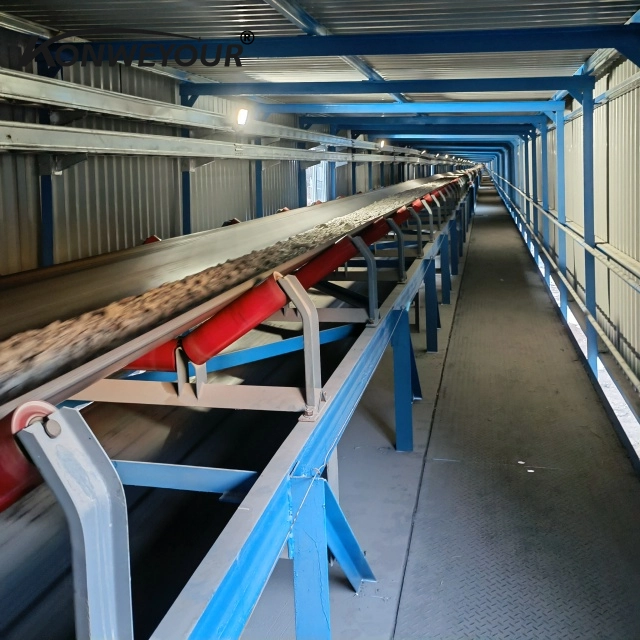
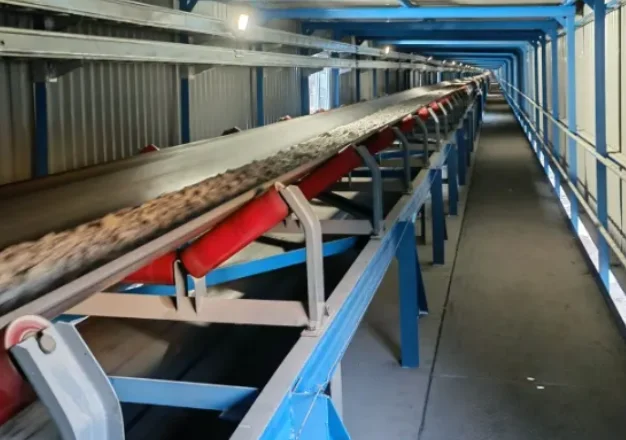
A mining conveyor belt system is an integrated network of mechanical components, primarily an endless belt, pulleys, idlers, and a drive unit, designed to transport bulk materials like ore, coal, or aggregates continuously and efficiently within a mining operation, from the excavation point to processing facilities or stockpiles.
2. What are the primary benefits of using a conveyor system in mining?
The primary benefits include significantly reduced operational costs (lower fuel, labor, and maintenance compared to trucking), increased material throughput and consistent flow, enhanced safety by minimizing heavy vehicle traffic, improved energy efficiency, and reduced environmental impact (lower emissions and noise).
3. How do modern mining conveyor systems improve safety?
Modern systems improve safety by automating material transport, thus reducing the number of heavy vehicles and personnel required in hazardous areas. They also incorporate advanced safety features such as emergency stop systems, belt tear detection, fire suppression, and real-time monitoring to prevent accidents and detect anomalies promptly.
4. What factors influence the design of a customized mining conveyor belt system?
Key factors include the type, abrasiveness, and volume of material to be transported, the mine's topography (e.g., inclines, declines, curves), environmental conditions (temperature, dust, moisture), available space, required throughput, regulatory compliance, and future expansion plans. These elements dictate belt material, width, speed, drive power, and overall system layout.
5. What maintenance is required for a mining conveyor belt system?
Maintenance typically involves routine inspections, lubrication of bearings, replacement of worn idlers and rollers, belt cleaning, tracking adjustments, splice inspections, and monitoring of drive components. Modern systems also utilize predictive maintenance through IoT sensors and AI to anticipate and address issues before failures occur, reducing unplanned downtime.
6. Are there energy-efficient options available for mining conveyors?
Yes, modern conveyor systems offer significant energy-efficient options. These include Variable Frequency Drives (VFDs) for optimized power consumption, energy-efficient motors, low-friction idlers, and regenerative braking systems on downhill conveyors that can return energy to the power grid, substantially reducing overall electricity usage.
7. What is the typical lifespan of a well-maintained mining conveyor belt system?
A well-designed and properly maintained mining conveyor belt system can have an operational lifespan of 20 to 30 years or even longer for its structural components. The belt itself, depending on material, usage, and maintenance, typically requires replacement every 5 to 15 years, while idlers and rollers may need more frequent replacement.