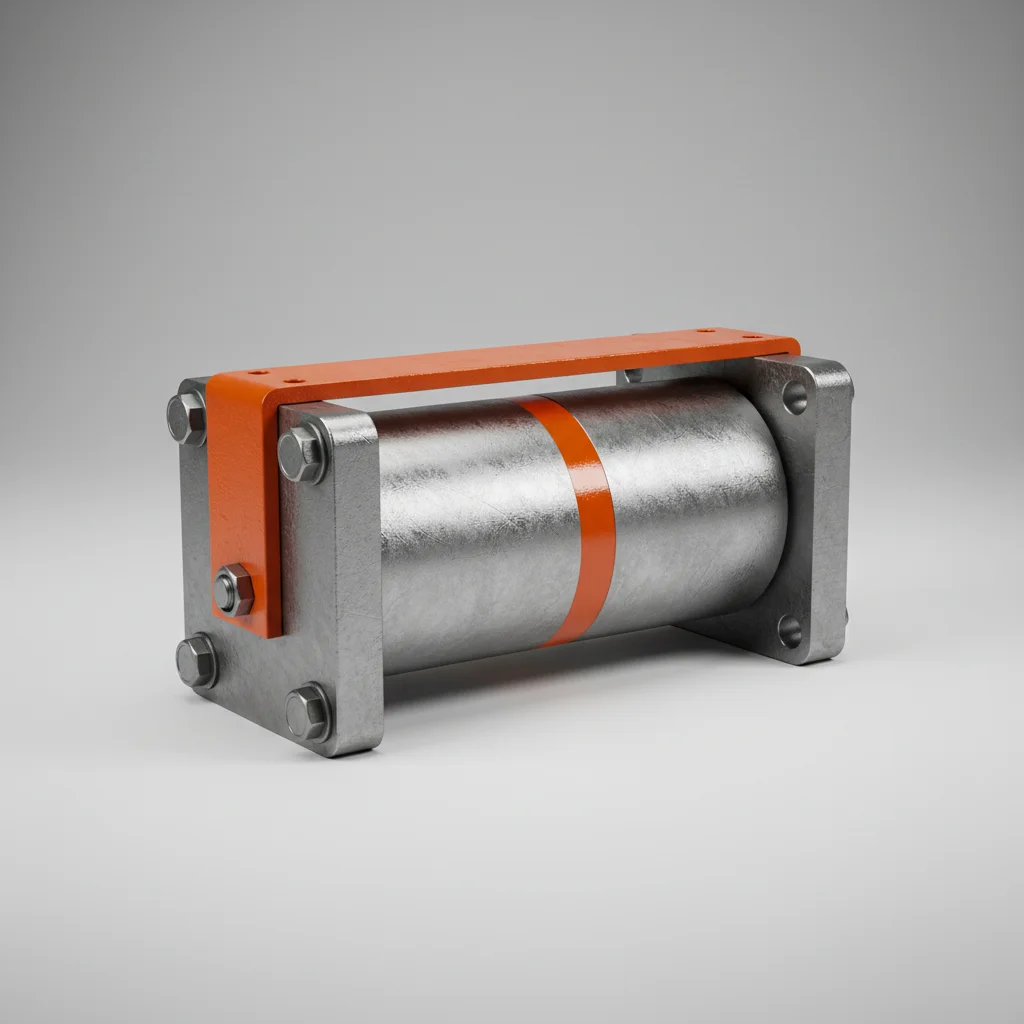
Understanding Large Conveyor Rollers: A Comprehensive Guide
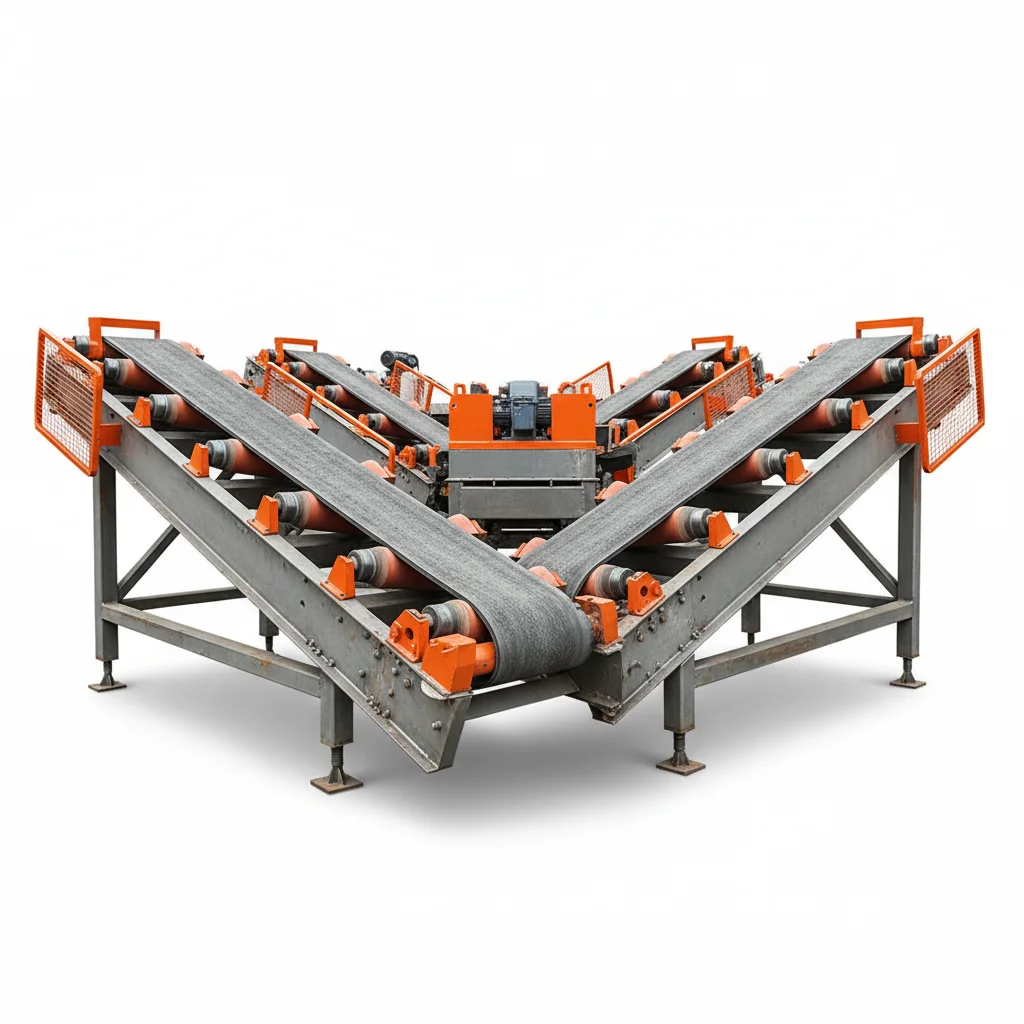
Large conveyor rollers are essential components in various industrial applications, facilitating the efficient movement of materials. These rollers play a critical role in ensuring smooth and reliable operation within systems ranging from logistics and warehousing to manufacturing and mining. Choosing the right large conveyor rollers is paramount for optimal performance and longevity. This article will delve into the types, applications, selection criteria, and maintenance of these vital components, providing a thorough overview for engineers, procurement professionals, and operational managers.
Types of Large Conveyor Rollers
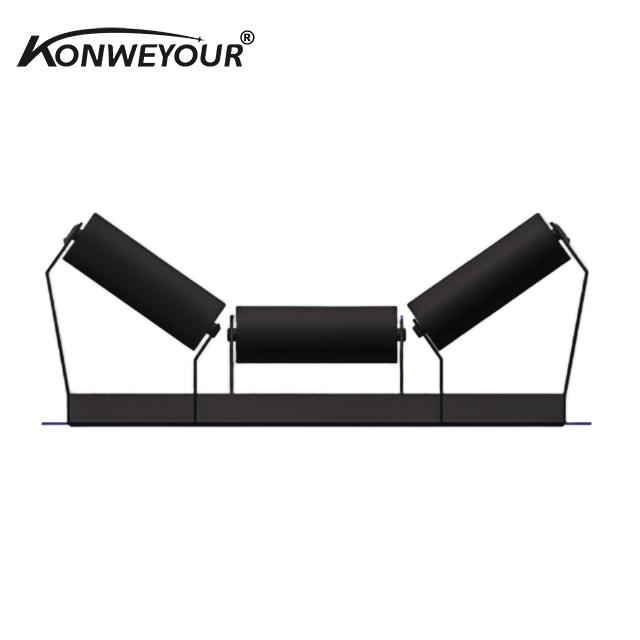
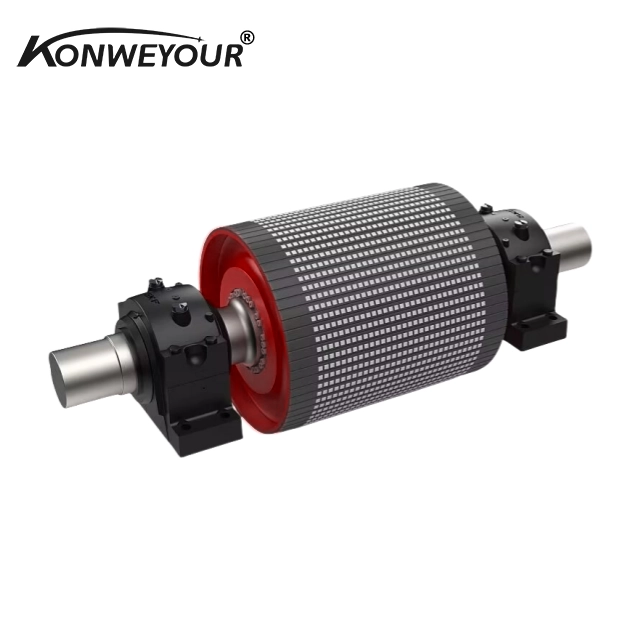
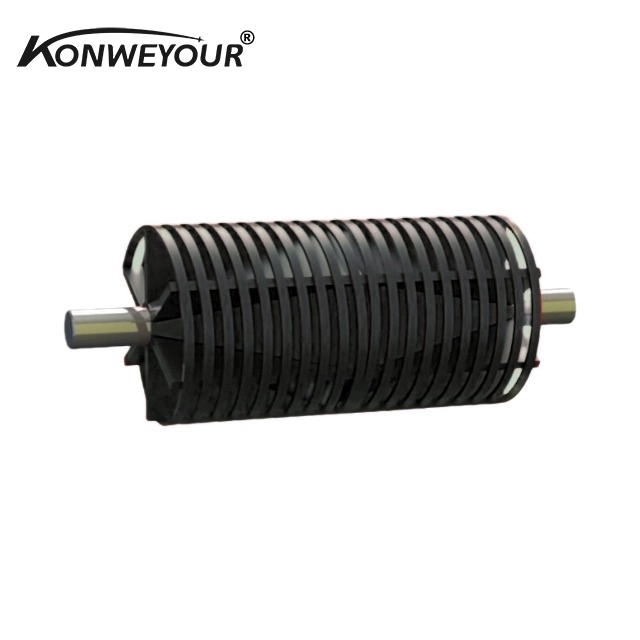
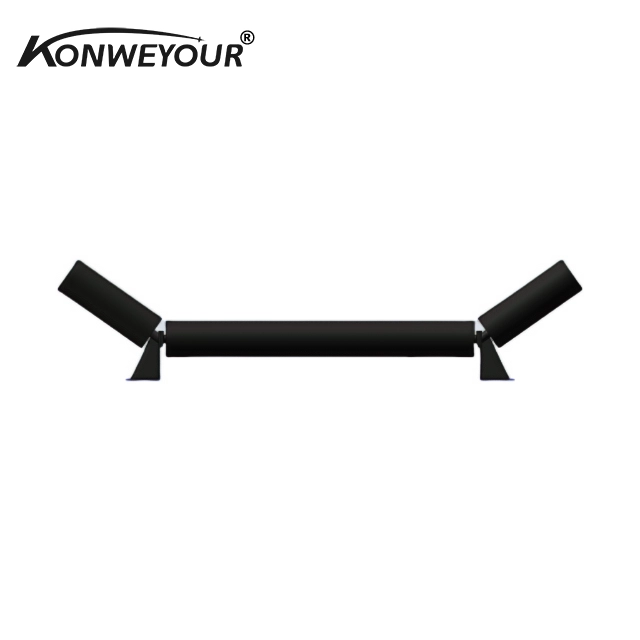
Large conveyor rollers come in various types, each designed for specific applications and load requirements. Common types include:
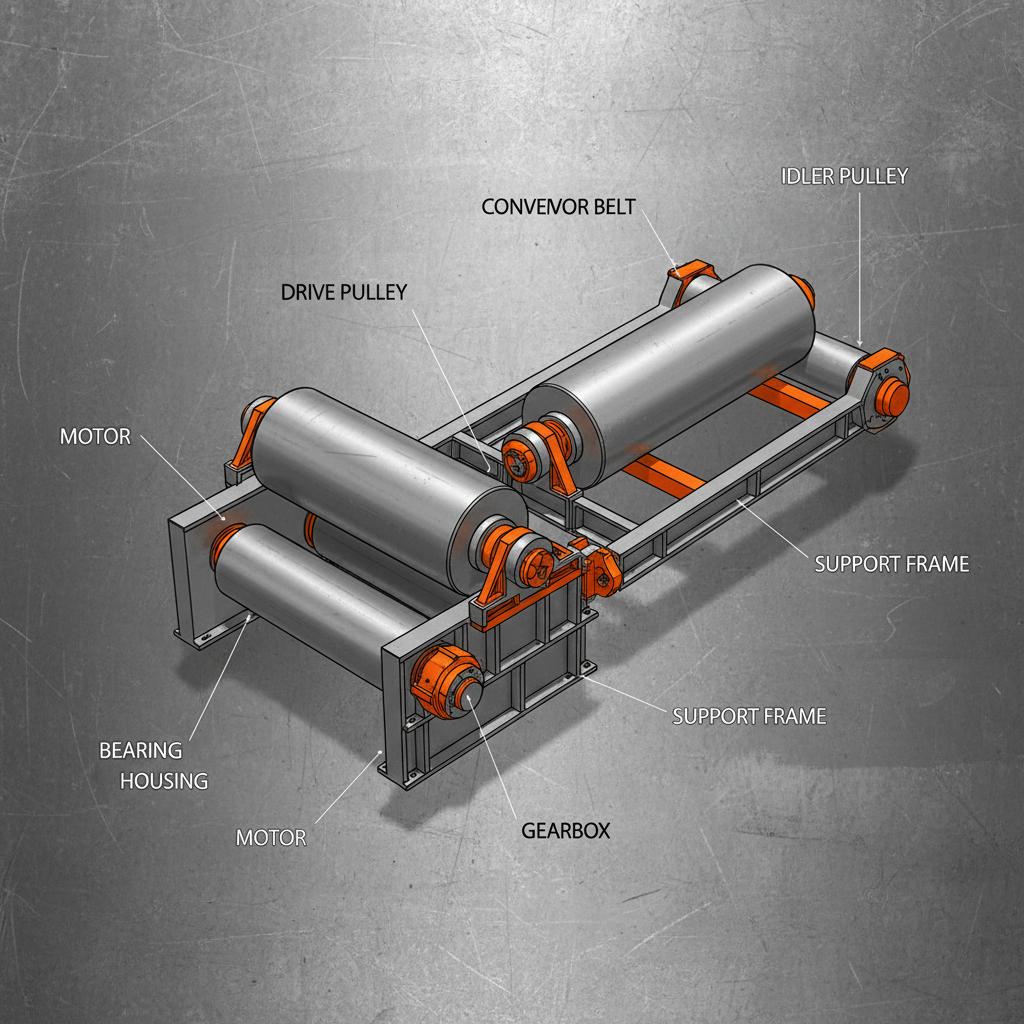
- Powered Rollers: Driven by motors, these rollers actively move the conveyed material.
- Non-Powered (Gravity) Rollers: Rely on the slope of the conveyor to move materials.
- Coated Rollers: Feature rubber, polyurethane, or PVC coatings to enhance grip and protect materials.
- Steel Rollers: Durable and suitable for heavy-duty applications.
- Polymer Rollers: Lightweight and corrosion-resistant, ideal for specific materials.
The selection of the appropriate roller type depends on factors such as material weight, conveyor length, incline, and the desired level of control over material flow.
Key Applications of Large Conveyor Rollers
Large conveyor rollers are used across a diverse range of industries. Some prominent applications include:
- Logistics and Warehousing: Sorting and distribution centers utilize rollers for efficient package handling.
- Manufacturing: Production lines rely on rollers for moving work-in-progress materials.
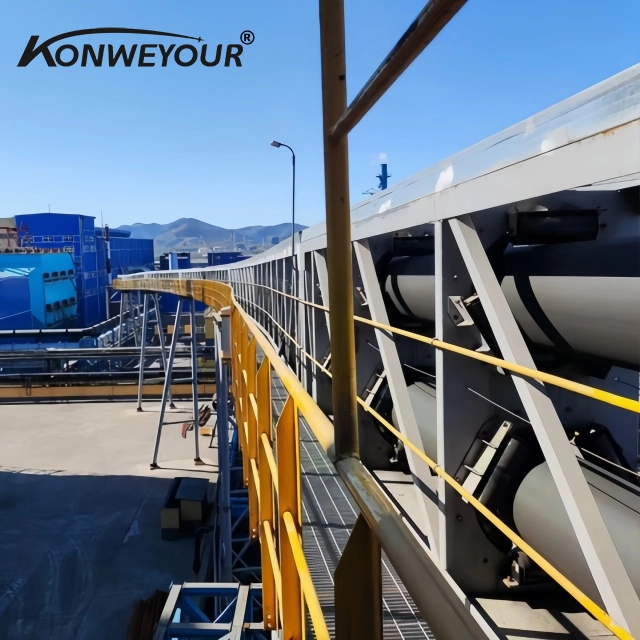
- Mining and Aggregates: Heavy-duty rollers are essential for moving bulk materials like coal, ore, and gravel.
- Airport Baggage Handling: Robust rollers handle high volumes of luggage efficiently.
- Food Processing: Sanitary rollers ensure the safe and hygienic movement of food products.
Understanding the specific demands of each application is critical when selecting large conveyor rollers to ensure long-term reliability and performance.
Key Considerations: Choosing the right rollers involves assessing material properties, load capacity, conveyor speed, and environmental conditions.
Selecting the Right Large Conveyor Roller: Important Factors
Selecting the optimal large conveyor roller involves carefully evaluating several factors. These include load capacity, roller diameter, shaft material, bearing type, and environmental considerations. Load capacity dictates the maximum weight a roller can handle without deformation or failure. Roller diameter affects the conveying speed and the ability to navigate bends. Shaft material and bearing type influence the roller's durability and resistance to wear. Furthermore, environmental factors like temperature, humidity, and exposure to chemicals must be considered to ensure the roller material is compatible and won't degrade over time. Consulting with a conveyor system specialist, like JT Conveyor can help you optimize your selection.
Selection Checklist:
• Load Capacity
• Roller Diameter
• Shaft Material
• Bearing Type
• Environmental Conditions
Large Conveyor Rollers: Steel vs. Polymer – A Comparison
The choice between steel and polymer conveyor rollers depends on the application's specific requirements. Steel rollers offer superior strength and durability, making them ideal for heavy-duty applications and environments with high temperatures. However, they are susceptible to corrosion and can be heavier than polymer alternatives. Polymer rollers, on the other hand, are lightweight, corrosion-resistant, and quieter in operation. They are well-suited for applications where hygiene is critical, such as food processing, or where weight reduction is a priority. Here’s a comparison:
| Feature |
Steel Rollers |
Polymer Rollers |
| Strength & Durability |
High |
Moderate |
| Corrosion Resistance |
Low (requires coating) |
High |
| Weight |
Heavy |
Lightweight |
| Cost |
Generally Lower |
Generally Higher |
Maintenance and Longevity of Large Conveyor Rollers
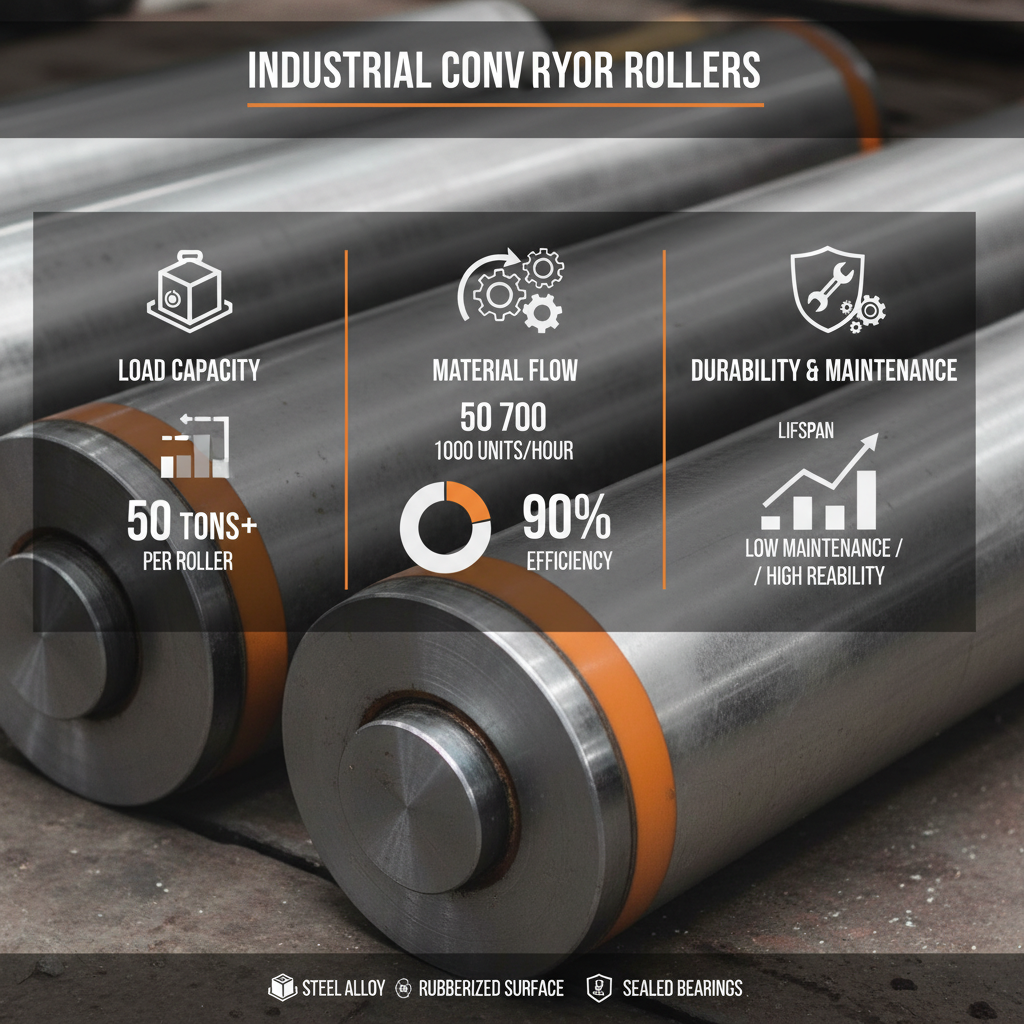
Regular maintenance is crucial for maximizing the lifespan and performance of large conveyor rollers. This includes routine inspection for wear, damage, and proper lubrication of bearings. Promptly addressing any issues, such as loose bearings or damaged coatings, prevents further deterioration and costly downtime. Cleaning rollers to remove debris buildup is also essential, particularly in dusty or abrasive environments. At JT Conveyor, we provide expert guidance on maintenance procedures and offer replacement rollers when needed.
Conclusion: Investing in Quality and Expertise
Choosing the right large conveyor rollers is a critical investment for any operation relying on material handling. By understanding the various types, applications, and selection criteria, you can optimize your conveyor system for efficiency, reliability, and safety. Partnering with a trusted supplier like JT Conveyor ensures access to high-quality rollers and expert support. Don't compromise on the foundation of your material flow – invest in quality and expertise.
Frequently Asked Questions (FAQs)
What is the typical lifespan of a large conveyor roller?
The lifespan of a large conveyor roller varies depending on several factors, including the load it carries, the operating environment, and the quality of maintenance. Typically, a well-maintained steel roller can last between 5 and 10 years, while polymer rollers may have a slightly shorter lifespan, around 3 to 7 years. Regular inspections, proper lubrication, and prompt replacement of worn parts are essential for maximizing the lifespan of your rollers. Extreme temperatures, corrosive materials, and heavy loads can significantly reduce the lifespan.
How do I determine the correct load capacity for my conveyor rollers?
Determining the correct load capacity involves calculating the maximum weight each roller will need to support. This includes not only the weight of the material being conveyed but also the weight of the belt or other conveying surfaces. A safety factor should be applied to this calculation to account for potential overloading or dynamic loads. It's crucial to consult with a conveyor system expert to accurately assess your load requirements and select rollers with an appropriate safety margin. Undersized rollers can lead to premature failure and costly downtime.
What type of lubrication is recommended for conveyor roller bearings?
The recommended lubrication type depends on the bearing type and the operating environment. Generally, lithium-based greases are suitable for most conveyor roller bearings. However, in high-temperature or corrosive environments, specialized greases may be required. It's essential to follow the bearing manufacturer's recommendations for lubrication type and frequency. Over-lubrication can attract dust and debris, while under-lubrication can lead to premature wear and bearing failure.
Are there options for noise reduction with conveyor rollers?
Yes, several options can reduce noise generated by conveyor rollers. Utilizing polymer rollers instead of steel can significantly decrease noise levels due to their inherent damping properties. Proper bearing lubrication and alignment are also crucial for minimizing noise. In some cases, installing vibration dampening materials around the conveyor structure can further reduce noise transmission. Furthermore, choosing rollers with sealed bearings can prevent noise associated with bearing wear.