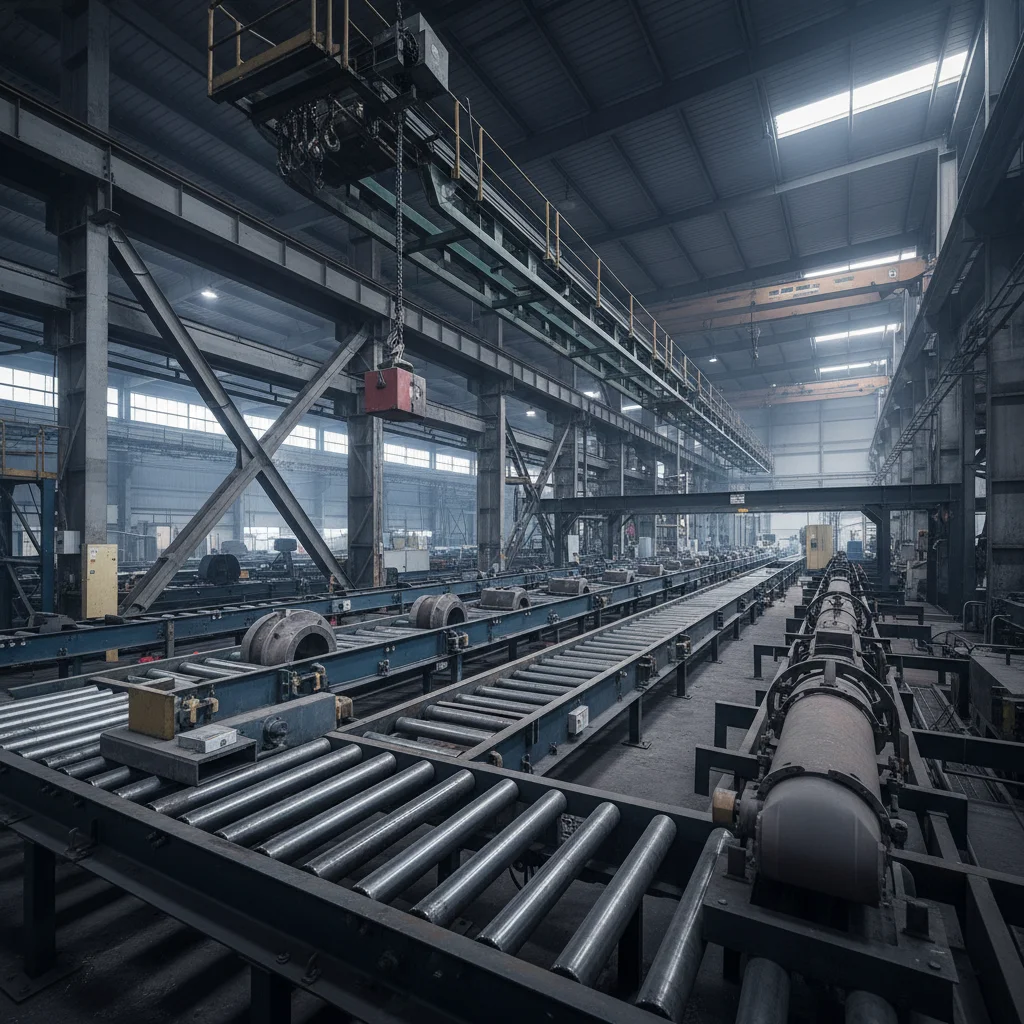
Let's talk conveyors. I've spent twenty years on sites – dust, rain, you name it – and a reliable conveyor isn't just a convenience, it's the backbone of any serious operation. It's about moving material efficiently, safely, and ultimately, keeping projects on schedule and under budget. We've seen a real shift in demand for systems that can handle diverse materials, adapt to changing site conditions, and just… plain work, day in and day out. That’s where the focus on a truly robust new conveyor system comes in.
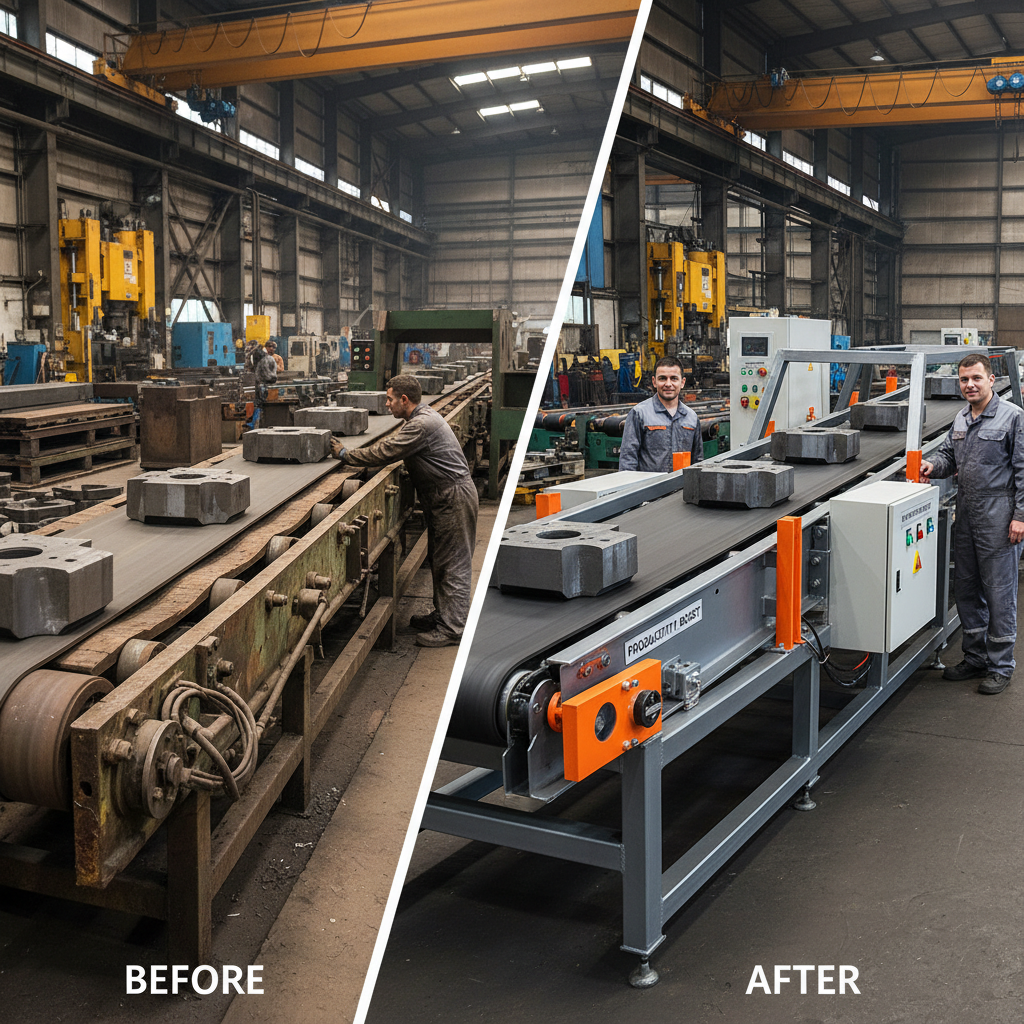
For years, we’ve patched up old systems, fought with breakdowns, and spent too much time and money on maintenance. I’ve personally seen projects delayed because of conveyor issues. But the newer generation – these new conveyor designs – are built different. They’re incorporating better materials, smarter controls, and a focus on modularity that makes installation and repairs significantly easier. It’s a game-changer for anyone dealing with bulk material handling.
And it's not just about construction. I've seen these systems pop up everywhere, from aggregate processing to recycling plants, even in mining operations. The key is that flexibility. A good new conveyor can be adapted to suit a wide range of needs, and that’s what makes it a smart investment.
The Importance of new conveyor in Modern Operations
I’ve seen firsthand how a properly implemented new conveyor system can transform a site. It’s not just about speed; it's about safety, reducing manual labor, and minimizing the risk of costly injuries. The demand for efficient material handling is skyrocketing, driven by global construction booms and a greater focus on sustainable resource management. According to a recent report by the World Bank, infrastructure investment in developing nations is expected to exceed $6 trillion by 2030, a significant portion of which will rely on effective material transport solutions.
That demand translates to a real need for solutions that are both durable and adaptable. No two sites are the same, and a one-size-fits-all approach simply doesn’t cut it. The ability to customize a new conveyor system to specific site conditions, material types, and production volumes is crucial for maximizing efficiency and minimizing downtime.
Defining new conveyor: A Practical Overview
Simply put, a new conveyor is a mechanical system used to transport materials from one location to another. But that definition doesn’t do it justice. The 'new' part is key – we're talking about systems built with modern materials, utilizing intelligent control systems, and designed for ease of maintenance. It’s a far cry from the old chain conveyors I used to work with that were constantly breaking down.
This isn't just about moving things. A modern new conveyor system is an integrated part of a larger process. It needs to seamlessly connect with other equipment, such as crushers, screens, and storage silos, to create a streamlined and efficient workflow. This integration is especially important in industries like cement production and aggregate processing, where continuous operation is critical.
The connection to modern industry and humanitarian needs is direct. Efficient material handling reduces costs, improves productivity, and minimizes waste. In disaster relief scenarios, new conveyor systems can be rapidly deployed to move essential supplies like food, water, and medical equipment to affected areas.
Core Components of a Reliable new conveyor System
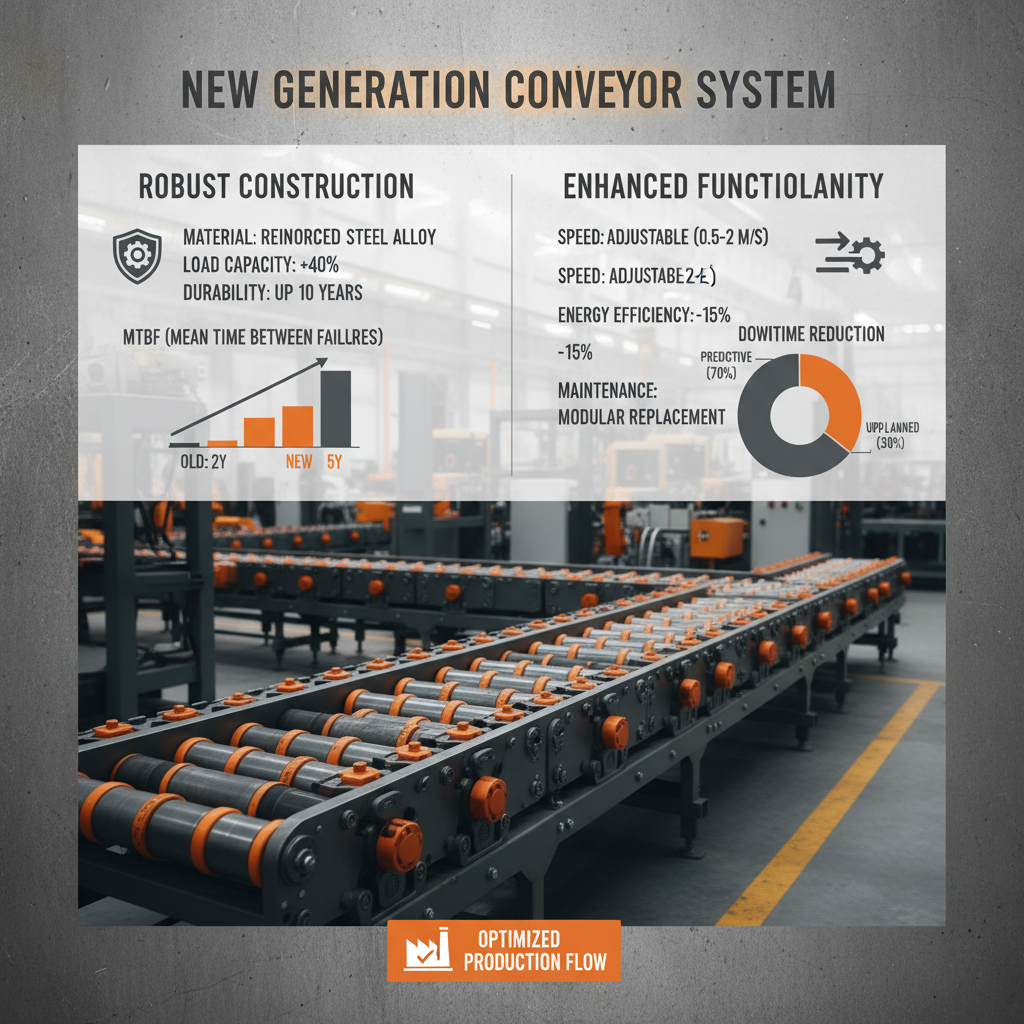
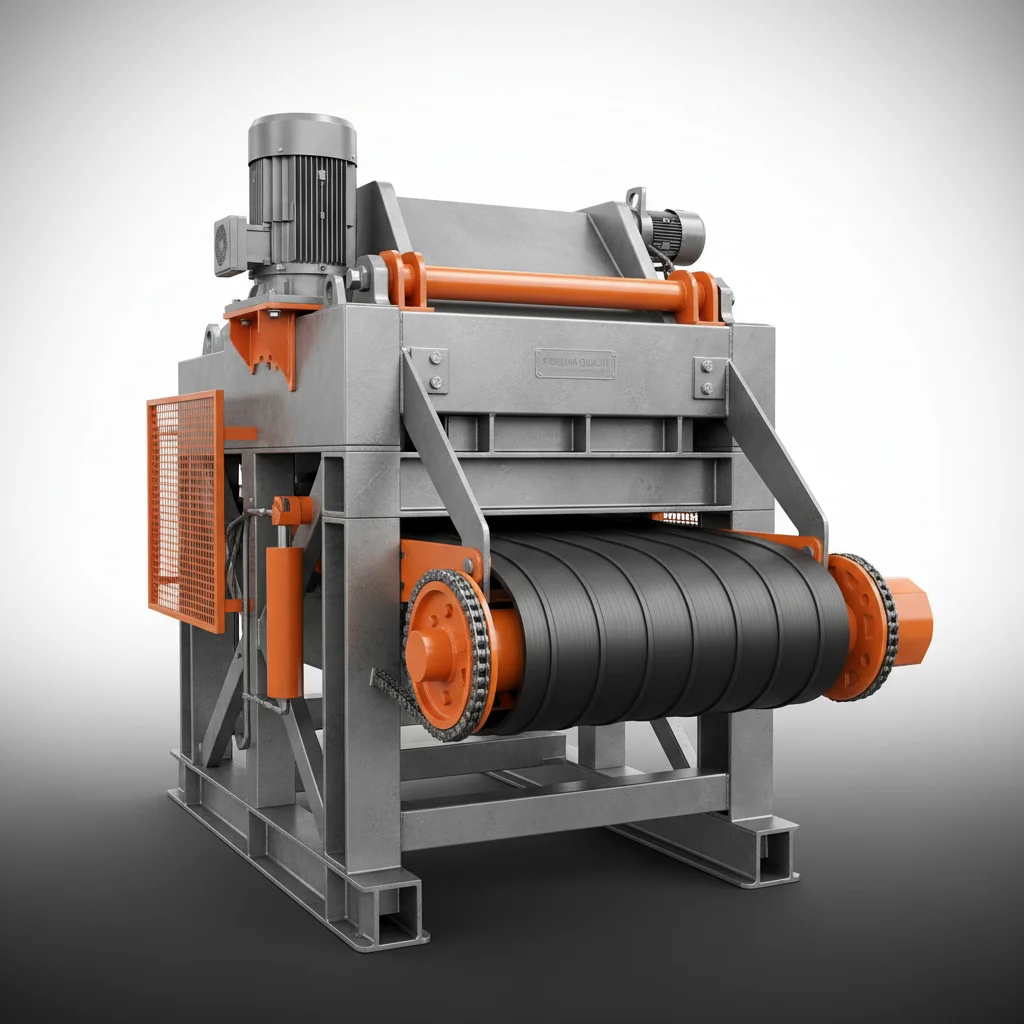
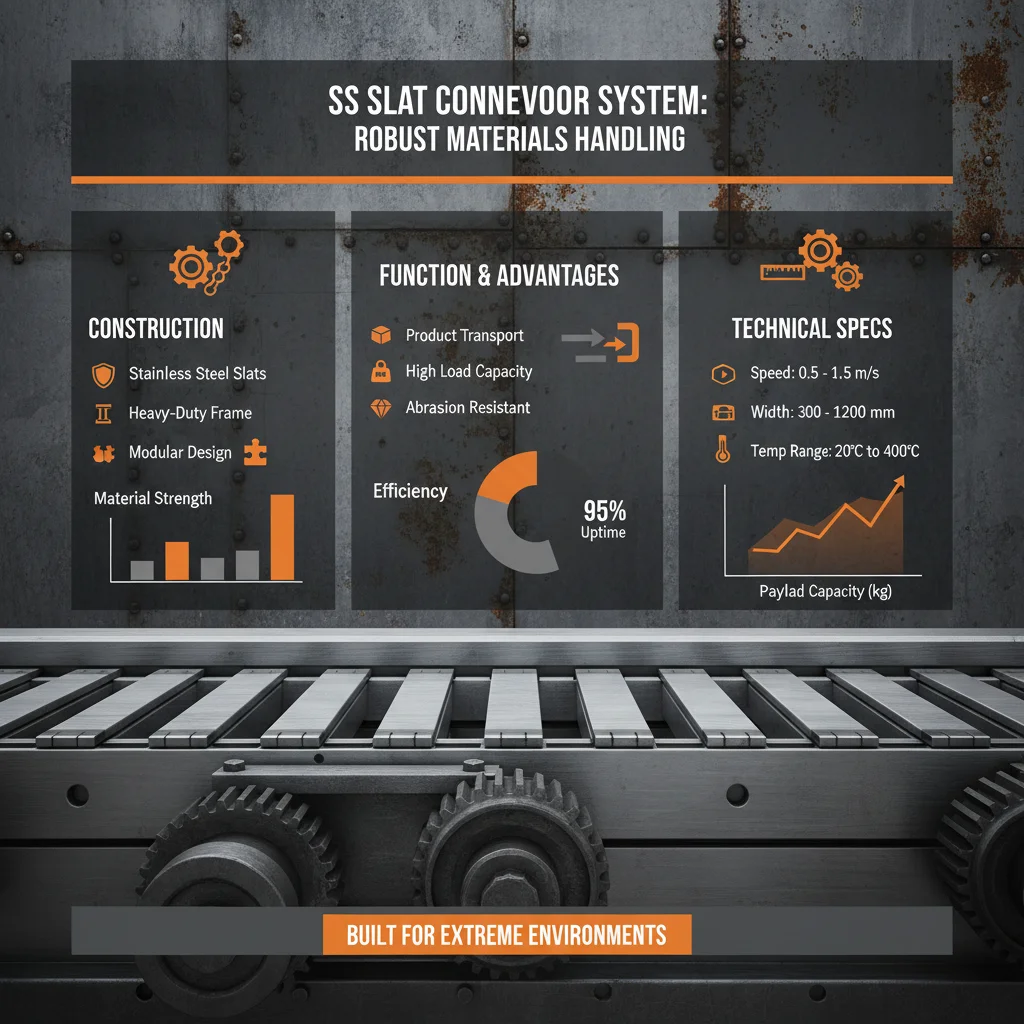
Durability is paramount. You’re not building these things to last a month; you need them to withstand years of heavy use in harsh environments. That means high-quality steel frames, robust belt materials, and sealed bearings to protect against dust and moisture. I've seen too many cheap systems buckle under pressure.
Scalability is also critical. Projects evolve. Material needs change. A good system can be easily expanded or reconfigured to accommodate these changes without requiring a complete overhaul. Modularity is the key here – being able to add or remove sections as needed.
Then there’s the control system. Modern conveyors are equipped with programmable logic controllers (PLCs) that allow for precise control of speed, direction, and load distribution. This not only improves efficiency but also enhances safety by preventing overloads and minimizing the risk of accidents. It's not just about making it go; it's about making it go smart.
Practical Applications of new conveyor Across Industries
Construction is the obvious one, but I've seen new conveyor systems being used in everything from mining operations to food processing plants. In aggregate processing, they're essential for moving large volumes of stone, gravel, and sand. In mining, they transport ore from the extraction point to the processing facility.
Recycling plants rely heavily on conveyors to sort and separate different types of materials. And in the food industry, they're used to move ingredients and finished products through various stages of production. Even in warehousing and logistics, new conveyor systems are becoming increasingly common for automating the movement of goods.
new conveyor Performance by Application
The Advantages and Long-Term Value of new conveyor
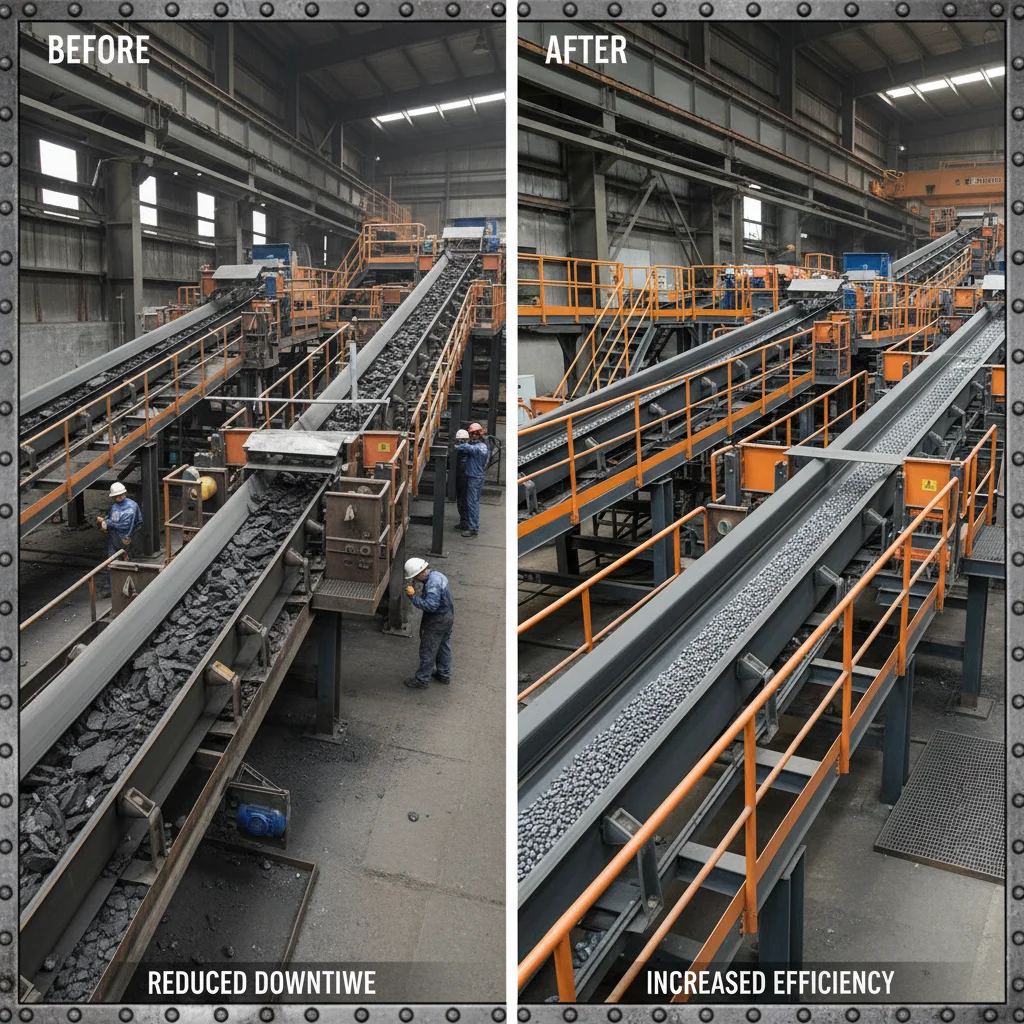
The biggest benefit, hands down, is cost savings. Less downtime, reduced maintenance, and improved efficiency all translate to lower operating costs. A well-chosen new conveyor system pays for itself over time.
Sustainability is another huge factor. By reducing manual labor and optimizing material handling, these systems help minimize waste and conserve resources. And a reliable new conveyor promotes a safer working environment, reducing the risk of injuries and improving employee morale.
Future Trends and Innovations in new conveyor Technology
We're seeing a lot of innovation in the field of conveyor technology. Smart conveyors, equipped with sensors and data analytics, are becoming increasingly common. These systems can monitor their own performance, predict potential failures, and automatically adjust to changing conditions.
Modular designs are also gaining traction, allowing for greater flexibility and faster installation times. And the use of lightweight, high-strength materials is helping to reduce energy consumption and improve overall efficiency. The integration of artificial intelligence (AI) to optimize conveyor routes and predict maintenance needs is also a promising area of development.
There’s also a growing focus on energy efficiency. Variable frequency drives (VFDs) are being used to optimize motor speed and reduce energy consumption, and regenerative braking systems are capturing energy during deceleration to further reduce costs.
Challenges and Solutions in new conveyor Implementation
One of the biggest challenges is proper installation. A new conveyor system is only as good as its installation. It’s crucial to work with experienced professionals who understand the intricacies of conveyor design and installation.
Another challenge is maintaining consistent material flow. Blockages and jams can disrupt operations and lead to downtime. Regular inspection and maintenance, along with the implementation of effective monitoring systems, are essential for preventing these issues.
Finally, selecting the right conveyor type for the specific application is critical. Different materials and environments require different conveyor designs. Thoroughly assessing your needs and working with a knowledgeable supplier is essential for ensuring a successful implementation.
Summary of Common new conveyor Challenges and Solutions
| Challenge |
Impact on Operations |
Proposed Solution |
Implementation Cost (Scale 1-10) |
| Improper Installation |
Reduced Efficiency, Increased Downtime |
Utilize Certified Installers |
6 |
| Material Blockages |
Production Halts, System Damage |
Implement Material Sensors & Cleaning Systems |
7 |
| Component Wear & Tear |
Frequent Repairs, Reduced Lifespan |
Scheduled Preventative Maintenance |
4 |
| Incorrect Conveyor Selection |
Suboptimal Performance, Increased Costs |
Detailed Material Analysis & System Design |
5 |
| Lack of Operator Training |
Safety Risks, Inefficient Operation |
Comprehensive Operator Training Programs |
3 |
| Integration with Existing Systems |
Compatibility Issues, Data Silos |
API Integration & System Interoperability |
8 |
FAQS
The lifespan of a new conveyor system varies depending on the materials handled, operating conditions, and maintenance schedule. However, with proper care, a well-built system can reliably operate for 15-20 years or even longer. Regularly scheduled inspections and preventative maintenance are crucial for maximizing lifespan and minimizing downtime.
The cost of a new conveyor system is highly variable, depending on factors such as length, capacity, material type, and complexity of the system. A basic system can start around $10,000, while a complex, customized system can easily exceed $100,000. It’s best to get a detailed quote from a reputable supplier based on your specific needs.
Regular maintenance is essential for ensuring the long-term reliability of a new conveyor system. This includes regular inspection of belts, bearings, and motors, lubrication of moving parts, and cleaning to remove debris. Scheduled preventative maintenance can help identify and address potential problems before they lead to costly downtime.
Absolutely! Most reputable new conveyor suppliers offer customization options to meet your specific needs. This includes adjusting the length, width, and height of the conveyor, selecting different belt materials, and adding features such as variable speed drives and emergency stop buttons.
Safety is paramount. Essential safety features include emergency stop buttons, belt guards, and overload protection systems. Proper signage and operator training are also crucial for preventing accidents. Make sure the new conveyor system meets all relevant safety standards and regulations.
Installation time varies depending on the complexity of the system. A simple, pre-assembled system might be installed in a few days, while a complex, customized system could take several weeks. Proper planning and coordination with a qualified installer are essential for minimizing installation time and ensuring a smooth process.
Conclusion
In closing, a robust and well-planned new conveyor system isn't just a piece of equipment; it’s an investment in efficiency, safety, and long-term productivity. From reducing manual labor and minimizing downtime to improving material flow and enhancing sustainability, the benefits are clear. It's a cornerstone of modern operations across countless industries.
The future of conveyor technology is bright, with ongoing innovation in areas like smart sensors, modular designs, and energy efficiency. By embracing these advancements and partnering with experienced suppliers, businesses can unlock even greater value and maintain a competitive edge. Visit our website at www.jtconveyor.com to learn more and discuss your specific needs.