Bulk conveyors are essential systems in modern material handling, impacting industries globally from agriculture and mining to manufacturing and logistics. These systems enable the efficient and cost-effective movement of large volumes of materials, optimizing workflows and reducing operational costs. The increasing demand for streamlined supply chains and automated processes has made bulk conveyor technology more crucial than ever, particularly in regions experiencing rapid industrial growth and infrastructure development.
The global bulk conveyor market is experiencing significant expansion, driven by factors such as increasing commodity production, rising infrastructure investments, and the growing adoption of automation technologies. According to a report by MarketWatch, the global conveyor systems market is projected to reach $59.4 billion by 2028, with a CAGR of 4.8% from 2021 to 2028. This growth underlines the critical role bulk conveyor systems play in facilitating trade, enhancing productivity, and supporting economic development worldwide.
Understanding bulk conveyor systems is vital for professionals in logistics, engineering, and supply chain management, as well as for organizations seeking to improve operational efficiency and reduce material handling expenses. From simple belt conveyors to complex automated systems, the right bulk conveyor solution can significantly impact a company's bottom line and contribute to sustainable growth.
Introduction to Bulk Conveyor Systems
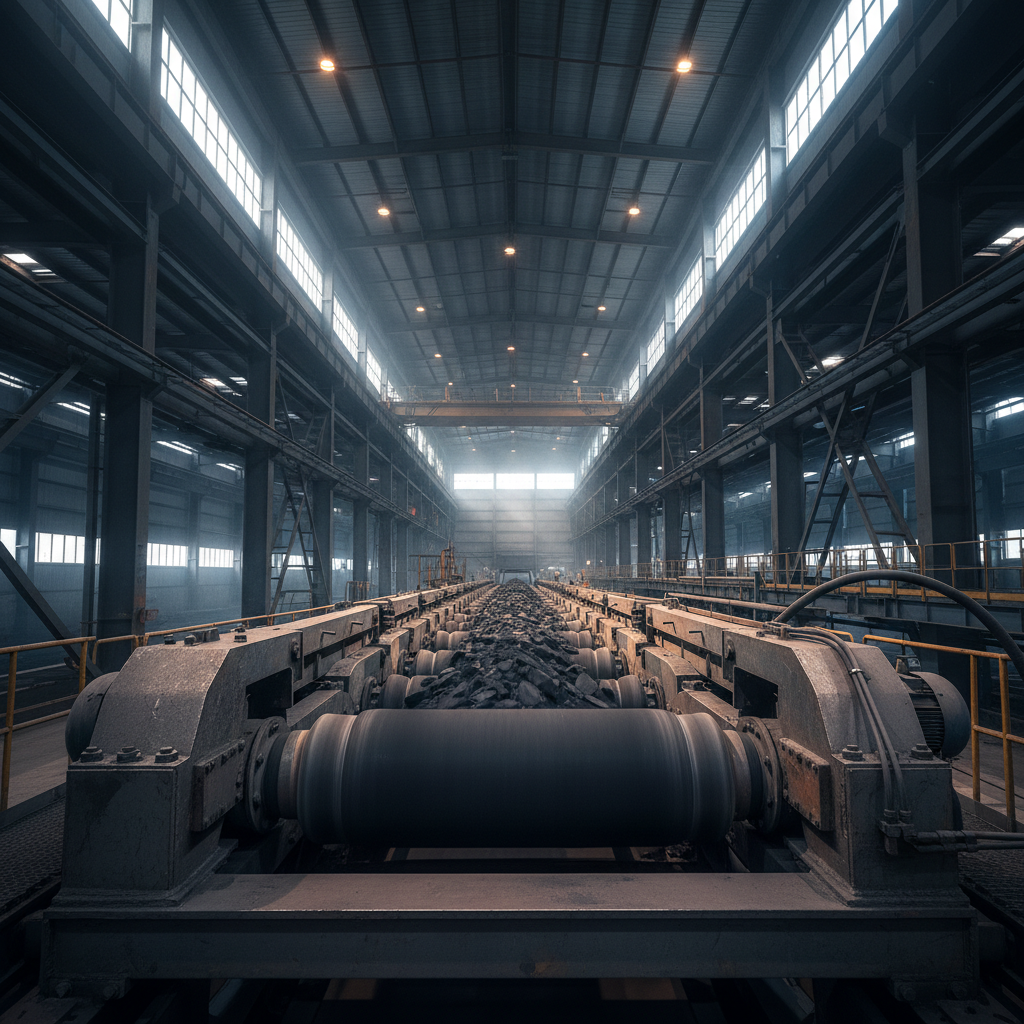
Bulk conveyor systems are designed to transport large volumes of unpackaged materials – think grains, ores, coal, aggregates, and more – efficiently and reliably. They represent a cornerstone of modern industrial processes, minimizing manual handling, increasing throughput, and lowering overall logistical costs. The choice of the right bulk conveyor system depends heavily on the specific material being handled, the distance of transport, and the desired level of automation.
These systems aren't just about moving materials from point A to point B; they're integral to maintaining the smooth operation of entire supply chains. The ability to seamlessly integrate bulk conveyor technology with other automation systems, such as sorting and weighing equipment, further enhances efficiency and data collection, enabling businesses to optimize their processes and improve decision-making.
Defining Bulk Conveyor Technology
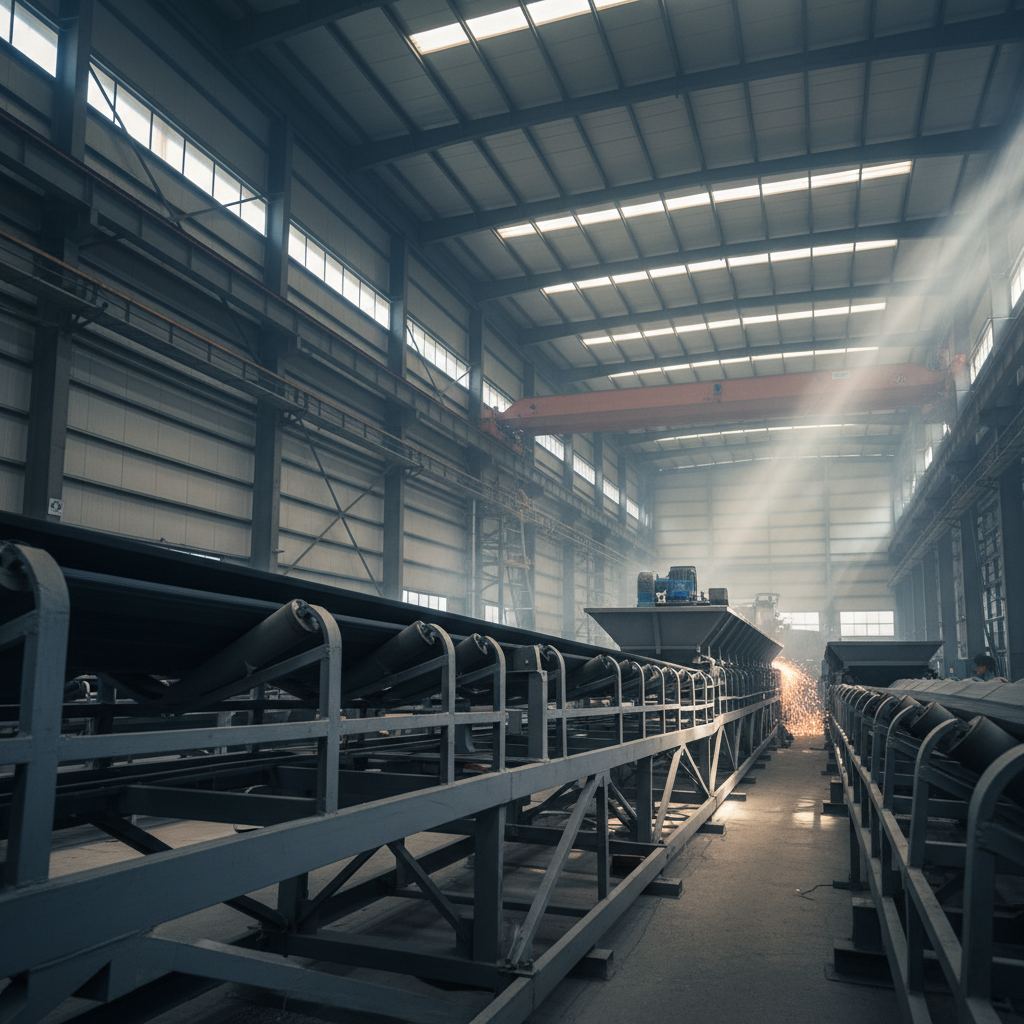
At its core, a bulk conveyor is a mechanical system used to continuously transport loose materials over a fixed route. Unlike conveyors designed for packaged goods, bulk conveyors are specifically engineered to handle granular, powdery, or lumpy materials without containment. This often requires specialized belt designs, scraper systems, or enclosed tube conveyors to prevent spillage and maintain material integrity.
The connection to modern industry is undeniable. From power plants relying on coal delivery to agricultural facilities processing grain, and even recycling plants handling various waste materials, bulk conveyors are ubiquitous. In humanitarian contexts, they play a vital role in distributing food aid and essential supplies in disaster relief operations, offering a scalable and efficient solution for rapidly moving large quantities of resources.
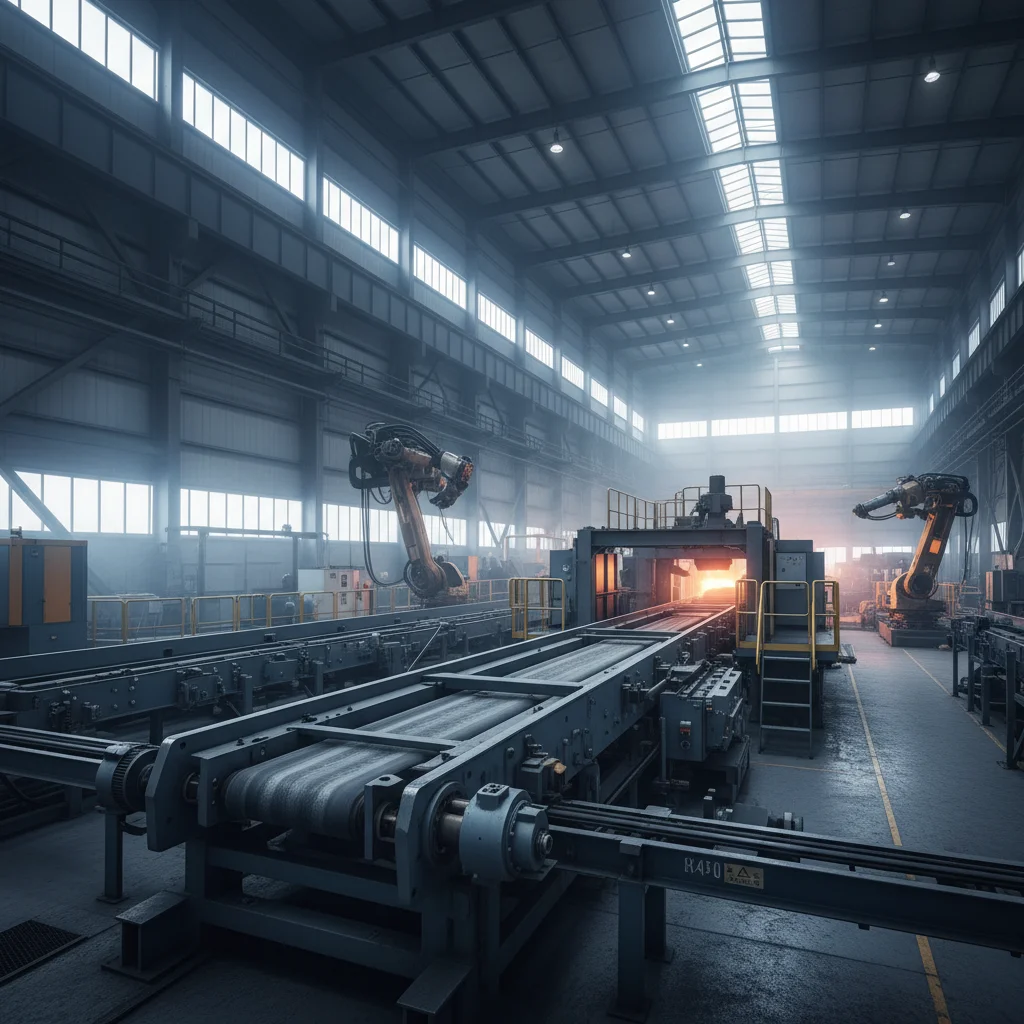
Modern bulk conveyor systems often incorporate advanced features like variable speed drives, automated cleaning systems, and real-time monitoring capabilities. These enhancements contribute to increased reliability, reduced downtime, and improved safety. The ongoing development of smart conveyor technologies, leveraging IoT sensors and data analytics, promises even greater levels of optimization and control in the future.
Core Components of Bulk Conveyor Systems
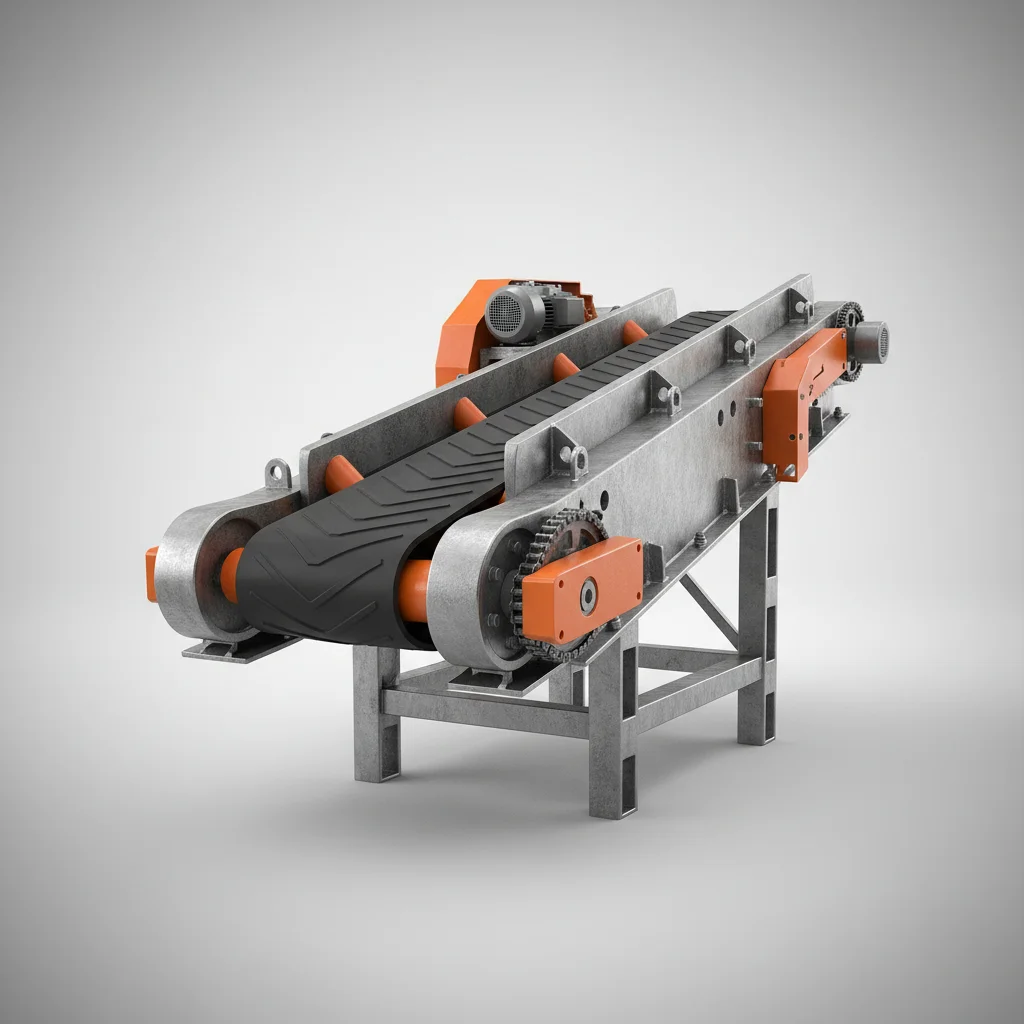
A typical bulk conveyor system comprises several key components working in harmony. These include the conveyor belt itself, which can be made of various materials like rubber, PVC, or steel cord, depending on the material being conveyed and the application. Idlers, or rollers, support the belt and reduce friction, while a drive unit provides the necessary power to move the belt.
Furthermore, a crucial element is the loading and unloading mechanism, designed to efficiently transfer material onto and off the conveyor belt. This might involve hoppers, feeders, or trippers, depending on the specific material handling requirements. Finally, safety features, such as emergency stop buttons, belt guards, and alignment sensors, are paramount to ensure operator safety and prevent damage to the system.
The overall effectiveness of a bulk conveyor system depends on the careful selection and integration of these components. Factors like belt speed, belt tension, and alignment all play a critical role in ensuring smooth, reliable operation and minimizing material loss. Regular maintenance and inspection are also essential to identify and address potential issues before they escalate.
Key Factors Influencing Bulk Conveyor Performance
Several factors significantly influence the performance and efficiency of bulk conveyor systems. Durability is paramount, especially when handling abrasive materials. Conveyor belts and components must withstand constant wear and tear, minimizing downtime and replacement costs. This is often achieved through the use of high-quality materials and robust construction techniques.
Scalability is another crucial aspect. Systems should be adaptable to changing production demands and easily expandable to accommodate increased throughput. Modular designs and flexible configurations allow for adjustments without significant disruptions to operations.
Bulk Conveyor System Performance Metrics
Global Applications and Use Cases
Bulk conveyors are widely utilized across diverse industries globally. In the mining sector, they transport ores and minerals from extraction sites to processing facilities. In agriculture, they move grains, fertilizers, and other bulk commodities. Power generation plants rely on them for coal and biomass handling, while cement factories use them to move raw materials and finished products.
In post-disaster relief operations, portable bulk conveyor systems are invaluable for rapidly distributing aid supplies like food, water, and medical equipment to affected areas. In remote industrial zones, where access to transportation infrastructure is limited, bulk conveyor systems provide a reliable and cost-effective means of moving materials.
Advantages and Long-Term Value
The advantages of employing bulk conveyor systems are numerous. Cost efficiency is a primary benefit, as conveyors require significantly less energy and labor compared to manual handling or truck-based transportation. Sustainability is also enhanced by reducing fuel consumption and emissions. Moreover, bulk conveyors improve workplace safety by minimizing the risk of accidents associated with manual material handling.
From a logistical perspective, they offer enhanced reliability and predictability, ensuring a consistent flow of materials. The integration of smart technologies further contributes to long-term value by enabling predictive maintenance, optimizing performance, and maximizing operational uptime. This translates to increased productivity, reduced downtime, and improved overall profitability.
Future Trends and Innovations
The future of bulk conveyor technology is focused on automation, digitalization, and sustainability. The integration of artificial intelligence (AI) and machine learning (ML) is enabling the development of self-optimizing conveyor systems that can adapt to changing conditions and predict maintenance needs. The use of advanced sensors and data analytics provides real-time insights into system performance, allowing for proactive adjustments and improvements.
There’s growing interest in energy-efficient conveyor designs and the use of renewable energy sources to power these systems. Furthermore, the development of new materials with enhanced durability and reduced environmental impact is driving innovation. The increasing adoption of modular conveyor systems offers greater flexibility and scalability, allowing businesses to quickly adapt to changing production demands.
The trend towards ‘smart’ bulk conveyor systems, incorporating IoT sensors and cloud-based data analysis, is set to revolutionize the industry, enabling businesses to optimize their material handling processes, reduce costs, and improve sustainability. These advancements will continue to shape the landscape of bulk material handling for years to come.
FAQS
Selecting a bulk conveyor for abrasive materials requires careful attention to several factors. The conveyor belt material must be highly resistant to wear and tear; options like steel cord or specialized rubber compounds are often preferred. Idler rollers should be robust and regularly inspected for damage. Consider incorporating wear liners in high-impact zones to extend the lifespan of the conveyor components and minimize downtime.
Dust control is critical when handling powdery or granular materials. Enclosing the conveyor system is a primary method, along with installing dust collection systems such as baghouses or cyclones. Spray systems that dampen the material can also reduce dust generation. Regular cleaning and maintenance are also crucial to prevent dust buildup and maintain optimal performance.
The lifespan of a bulk conveyor belt varies significantly depending on the material being conveyed, the operating conditions, and the quality of the belt. Generally, a well-maintained belt can last anywhere from 3 to 10 years. Regular inspections, proper tensioning, and prompt repairs can extend its lifespan considerably. Abrasive materials and harsh environments will naturally shorten the belt's useful life.
Regular maintenance is absolutely crucial for ensuring the reliable and efficient operation of bulk conveyor systems. Routine inspections, lubrication of moving parts, belt alignment checks, and timely repairs can prevent costly breakdowns and extend the system's lifespan. A proactive maintenance schedule can significantly reduce downtime and improve overall productivity.
Safety is paramount when operating a bulk conveyor. Emergency stop buttons should be easily accessible, and all moving parts should be properly guarded to prevent accidental contact. Operators should receive thorough training on safe operating procedures and wear appropriate personal protective equipment (PPE). Regular safety inspections are essential to identify and address potential hazards.
Yes, bulk conveyor systems can be seamlessly integrated with automated control systems. Programmable Logic Controllers (PLCs) and Supervisory Control and Data Acquisition (SCADA) systems can be used to monitor and control conveyor speed, load, and other parameters. This integration allows for optimized performance, reduced labor costs, and enhanced data collection for process improvement.
Conclusion
Bulk conveyor systems are indispensable components of modern industrial infrastructure, playing a critical role in the efficient and cost-effective movement of bulk materials across a wide range of industries. From optimizing supply chains to enhancing safety and sustainability, the benefits of implementing well-designed and maintained bulk conveyor solutions are substantial. Their adaptability and scalability are key attributes for businesses navigating evolving operational demands.
Looking ahead, the integration of advanced technologies like AI, ML, and IoT will further transform the bulk conveyor landscape, leading to smarter, more efficient, and more sustainable systems. Investing in these innovations is crucial for businesses seeking to maintain a competitive edge and unlock new levels of operational excellence. For a comprehensive range of bulk conveyor solutions tailored to your specific needs, visit our website: www.jtconveyor.com.