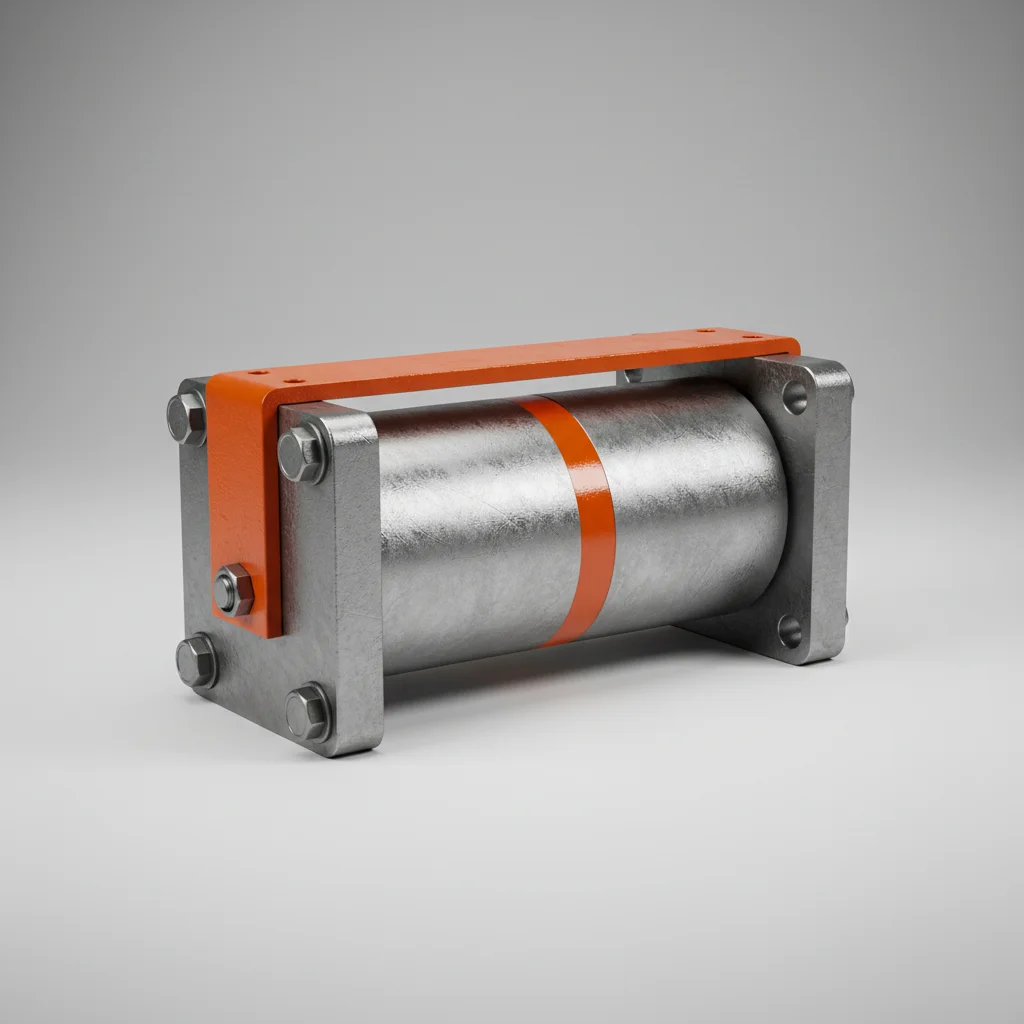
Understanding Mining Conveyor Rollers: A Comprehensive Guide
In the demanding world of mining operations, the efficiency and reliability of material handling systems are paramount. A crucial component of these systems is the mining conveyor roller. These rollers are fundamental to smooth, continuous material transport, and selecting the right type for your application is vital. This article will explore the various types, applications, maintenance, and benefits of mining conveyor rollers, providing a thorough understanding for professionals in the mining industry. Choosing the right rollers can significantly impact productivity and reduce downtime.
Types of Mining Conveyor Rollers
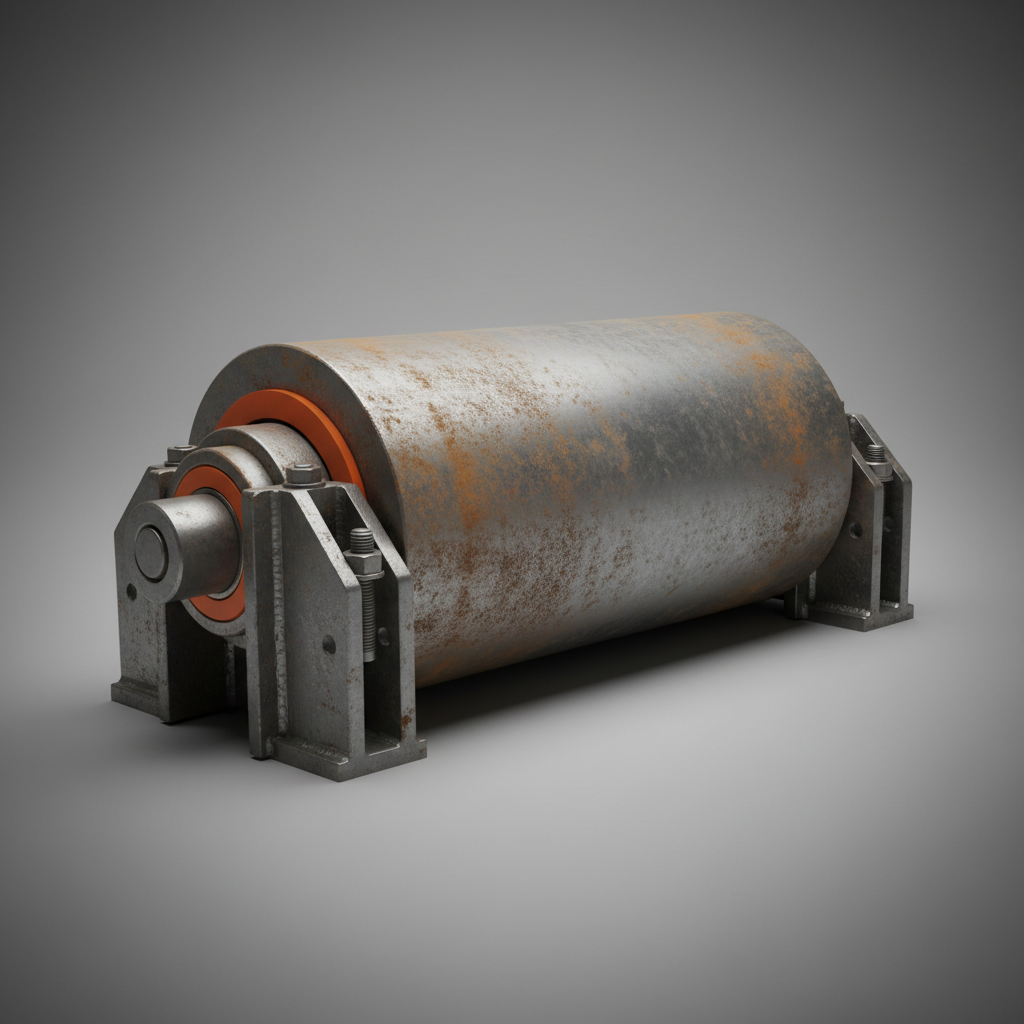
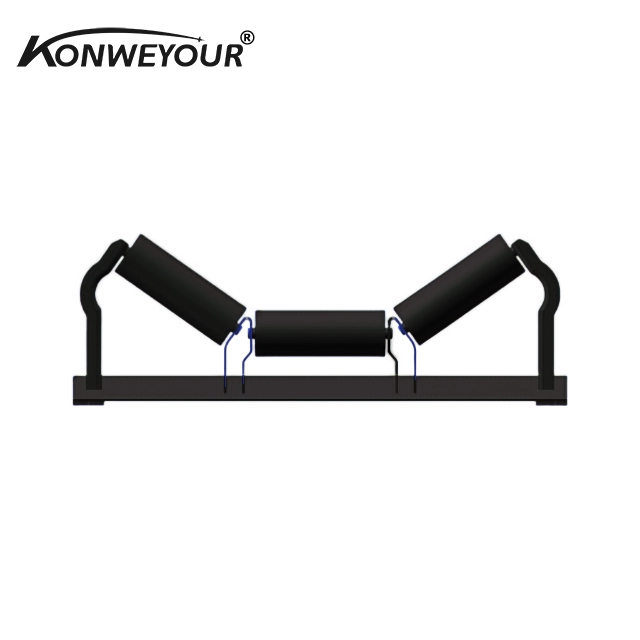
Mining conveyor rollers aren't one-size-fits-all. They come in various types, each designed for specific roles within a conveyor system. Carry rollers support the load-bearing strand of the belt, while return rollers support the returning strand. Impact rollers are positioned at loading points to absorb the initial force of materials, protecting the belt and other rollers. Transition rollers help guide the belt around bends. Finally, training rollers are strategically placed to maintain belt alignment. Understanding these distinctions is critical when specifying rollers for your mining operation. JT Conveyor provides a wide range of roller types to meet diverse mining needs.
Key Takeaway: The correct selection of roller types significantly impacts conveyor system efficiency, belt life, and overall operational cost.
Materials Used in Mining Conveyor Roller Construction
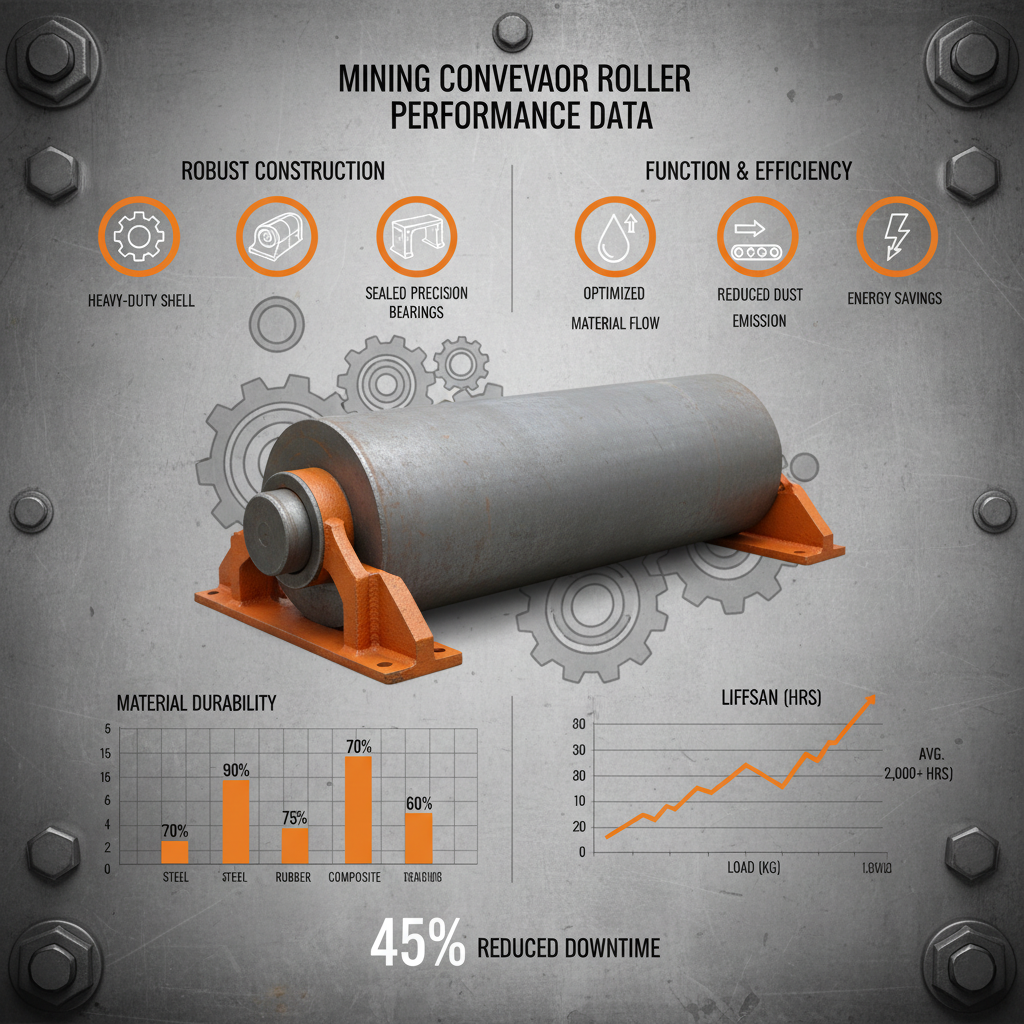
The harsh conditions of mining demand robust roller construction. Steel is the most common material, offering high strength and durability. However, steel rollers are susceptible to corrosion. Stainless steel provides enhanced corrosion resistance, ideal for wet or chemically aggressive environments. Polymer rollers, often made from high-density polyethylene (HDPE), are lightweight and offer excellent resistance to corrosion and abrasion. The choice of material depends on the specific mining application and the materials being conveyed. JT Conveyor utilizes premium materials to ensure long-lasting performance.
Material Comparison:
• Steel: High strength, cost-effective, prone to corrosion.
• Stainless Steel: Excellent corrosion resistance, higher cost.
• Polymer (HDPE): Lightweight, corrosion & abrasion resistant, lower load capacity.
Choosing the correct roller involves considering several factors: material being conveyed (abrasiveness, density, moisture content), conveyor belt speed, load capacity, and environmental conditions. High-abrasive materials require rollers with hardened surfaces. High speeds necessitate rollers with low rolling resistance. Heavy loads demand rollers with greater strength and durability. Wet or corrosive environments call for corrosion-resistant materials. Accurately assessing these factors will ensure optimal performance and longevity.
| Application |
Roller Type |
Material Recommendation |
| High Impact Loading |
Impact Roller |
Steel with hardened surface |
| Wet Environment |
Carry/Return Roller |
Stainless Steel or Polymer |
| Long Distance Conveying |
Carry/Return Roller |
Steel with low rolling resistance bearings |
| Belt Alignment |
Training Roller |
Steel |
Maintenance and Longevity of Mining Conveyor Rollers
Regular maintenance is critical to maximizing the lifespan of mining conveyor rollers. This includes lubrication of bearings, inspection for wear and damage, and alignment checks. Promptly replacing worn or damaged rollers prevents further damage to the conveyor system. Utilizing a preventative maintenance schedule can minimize downtime and extend the operational life of your rollers. JT Conveyor offers comprehensive maintenance services and spare parts.
Conclusion: Investing in Quality Mining Conveyor Rollers
Selecting and maintaining the right mining conveyor roller is a crucial investment for any mining operation. By understanding the different types, materials, and maintenance requirements, you can optimize your conveyor system's efficiency, reduce downtime, and improve overall productivity. Partnering with a trusted supplier like JT Conveyor ensures you receive high-quality rollers and expert support.
Frequently Asked Questions (FAQs)
What is the typical lifespan of a mining conveyor roller?
The lifespan of a mining conveyor roller varies significantly depending on factors such as load, material abrasiveness, environmental conditions, and maintenance practices. Generally, a well-maintained roller can last between 3 to 7 years. However, in harsh mining environments with highly abrasive materials, the lifespan may be considerably shorter. Regular inspections and preventative maintenance are crucial to maximizing roller life. Look for signs of wear, corrosion, and bearing damage to identify rollers needing replacement. JT Conveyor provides durable rollers and expert advice on extending their service life.
How often should conveyor rollers be lubricated?
Lubrication frequency depends on the roller type, load, and operating conditions. As a general guideline, sealed bearing rollers typically require lubrication every 6-12 months, while open bearing rollers may need more frequent lubrication – every 3-6 months. Always refer to the manufacturer's recommendations for specific lubrication intervals and grease types. Proper lubrication reduces friction, minimizes wear, and extends bearing life. Using the wrong type of lubricant can cause damage, so ensure compatibility.
What are the common signs that a conveyor roller needs replacement?
Several signs indicate that a conveyor roller needs replacement. These include excessive noise during operation, visible wear or damage to the roller surface or bearings, flat spots, wobbling or instability, and increased resistance to rotation. If you notice any of these issues, it’s crucial to inspect the roller thoroughly. Continuing to operate a damaged roller can lead to further damage to the conveyor belt and other components. JT Conveyor offers a range of replacement rollers to suit various applications.
How does roller alignment affect conveyor system performance?
Proper roller alignment is vital for optimal conveyor system performance. Misaligned rollers can cause belt tracking issues, leading to uneven wear, increased energy consumption, and potential belt damage. Regular alignment checks using surveying tools are essential. Training rollers are specifically designed to help maintain belt alignment, but even these require periodic adjustment. Maintaining correct alignment ensures smooth, efficient material transport and minimizes downtime. JT Conveyor provides alignment services and training rollers to improve system performance.